
Types of fostering
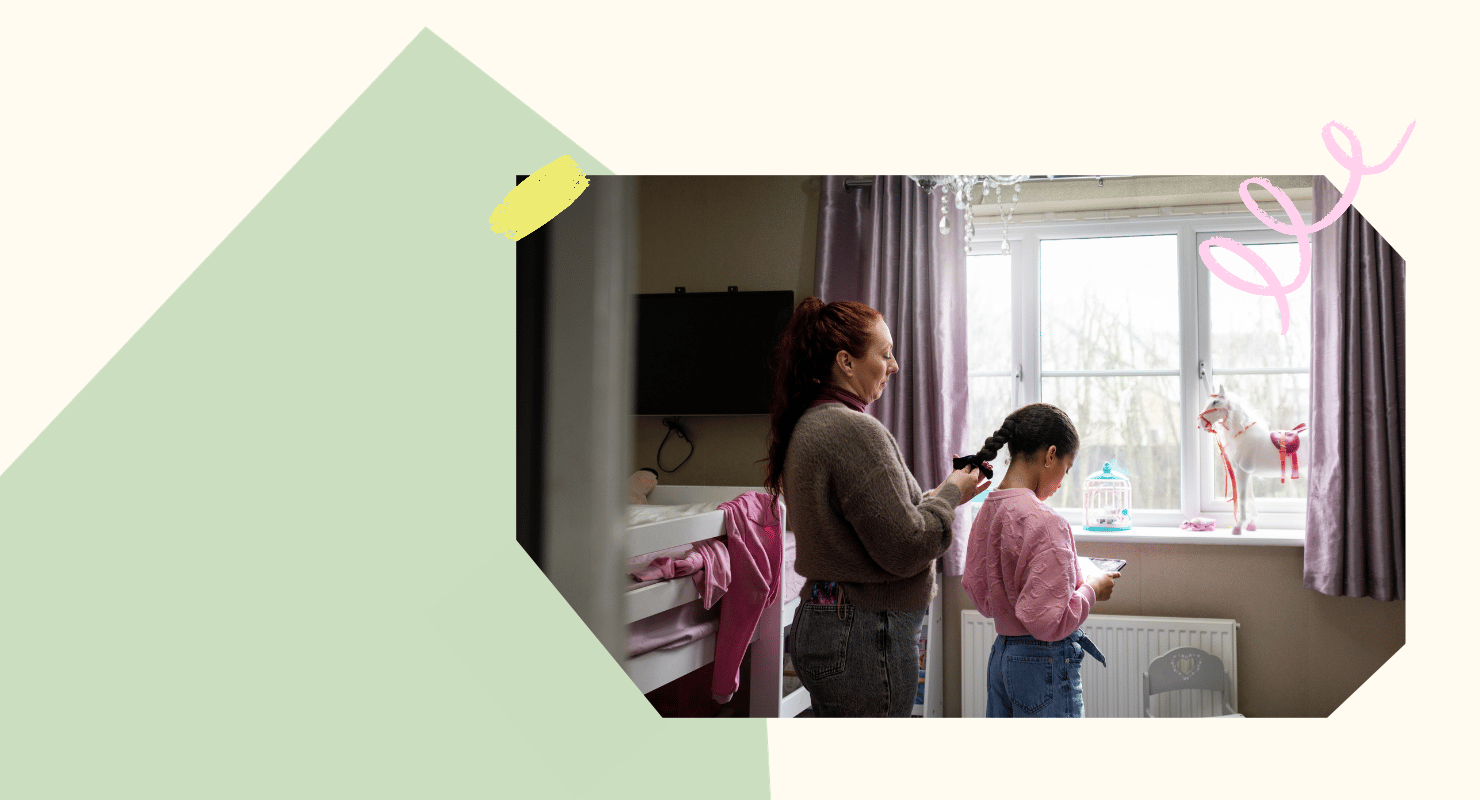
Every child’s circumstances are different, so fostering isn’t one-size-fits-all. Some children need a safe place to stay for a few days or weeks, while others need longer-term care and stability. Explore the different types of fostering and find out how you could make a difference.
Finding the right type of fostering
From emergency and short-term care to longer-term arrangements, each type of fostering offers something different. Find out more about the options, what’s involved and the commitment each requires, so you can consider what might work for you and your family.
-
 Learn more about Short-term fostering
Short-term fostering provides a child or young person with a safe, stable home while plans are made for their future. This could be for a few days, several weeks or longer, depending on their individual circumstances and what happens next.
-
 Learn more about Long-term fostering
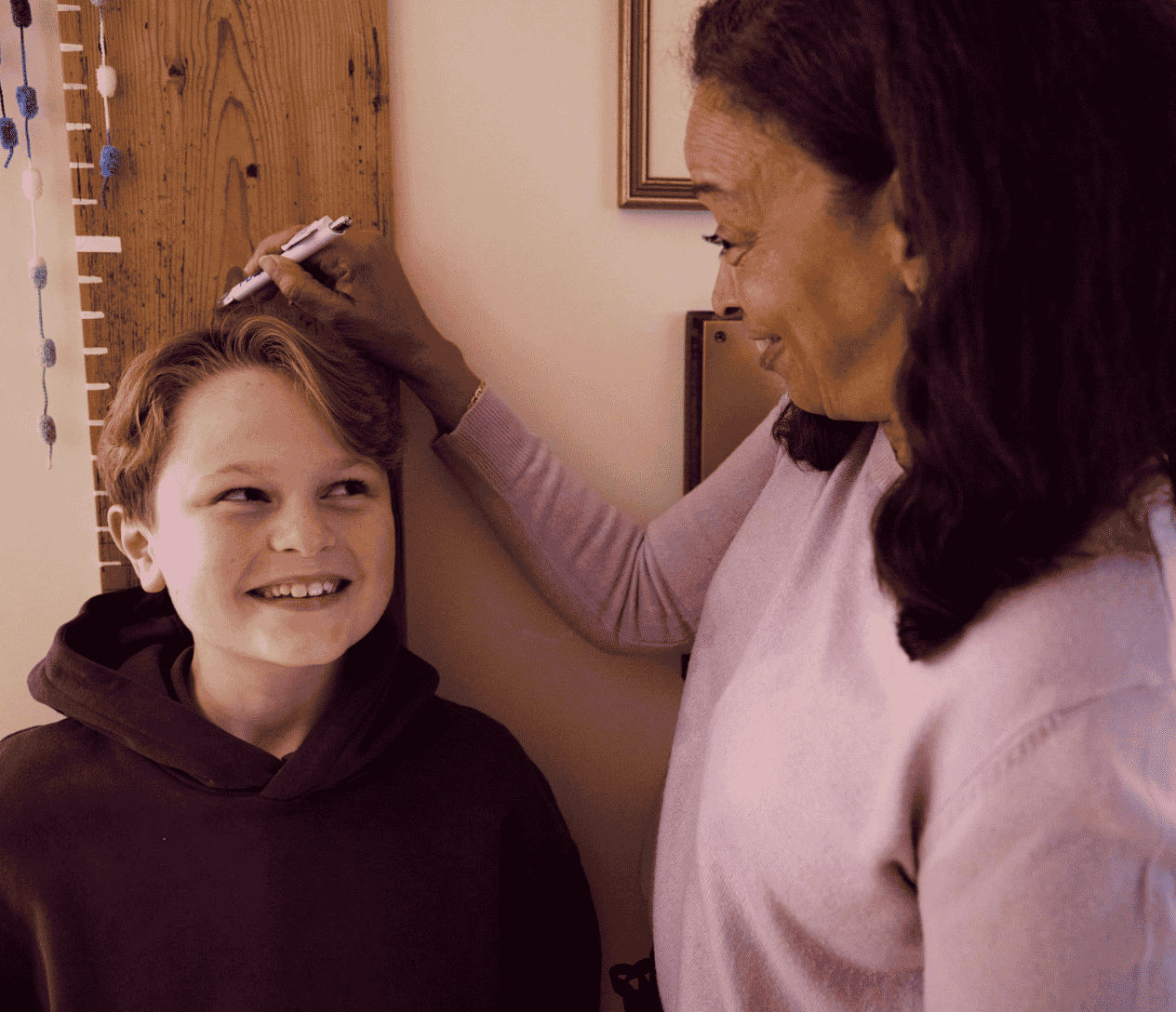
Some children need the security of a foster home for several years, giving them the chance to build lasting relationships and feel part of family life. Long-term fostering offers consistency, encouragement and a stable place to grow, learn and look towards the future.
-
 Learn more about Respite fostering
Respite fostering provides planned, short stays for children with another trusted foster carer. It gives their usual carers a break when needed, while ensuring children continue to receive safe, familiar and supportive care.
-
 Learn more about Parent & child fostering
Parent and child fostering involves providing a home for a parent and their baby or young child. You’ll offer practical support and encouragement as the parent develops their confidence and parenting skills, with guidance from a team of professionals along the way.
-
 Learn more about Fostering siblings
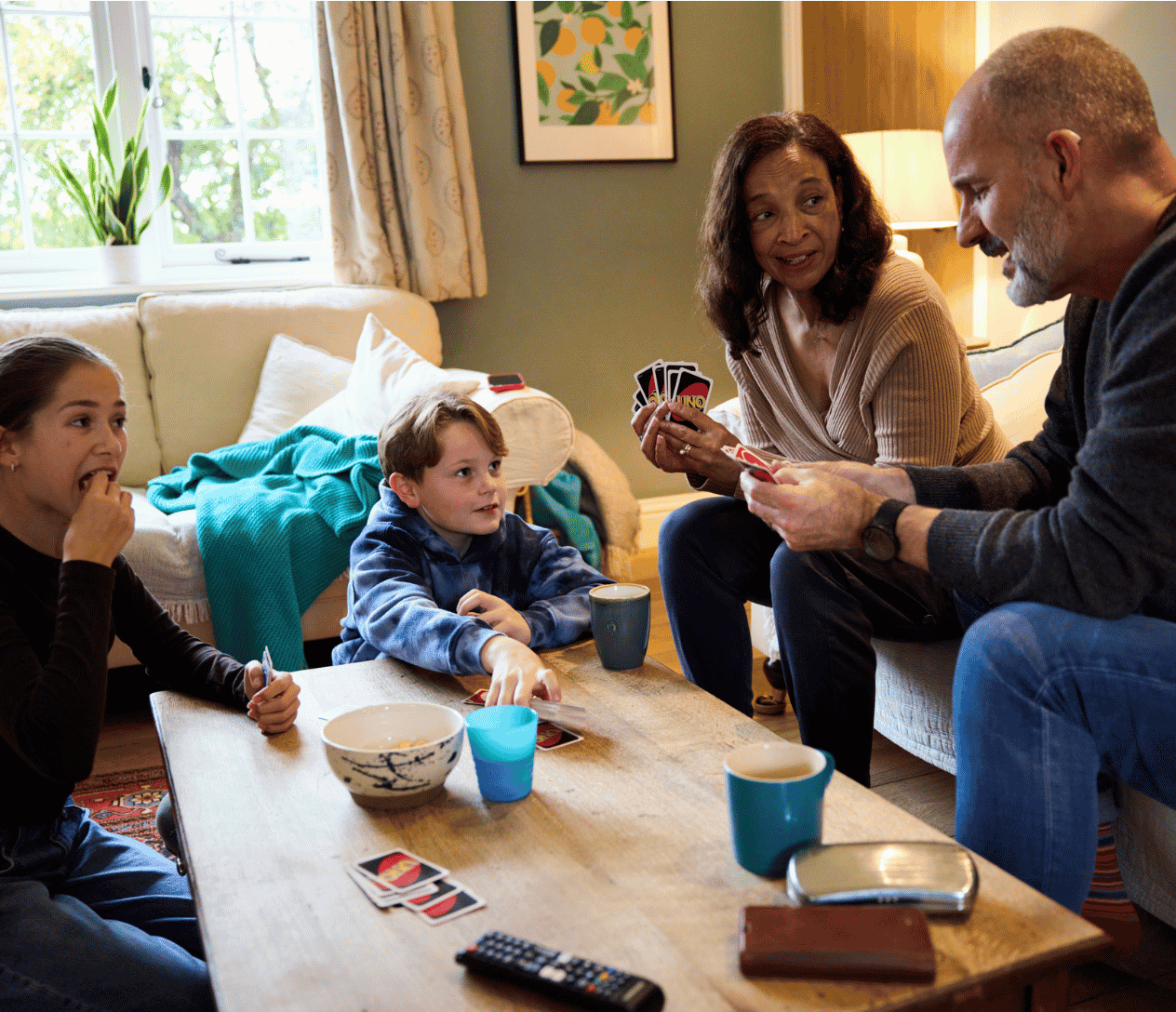
When brothers and sisters need foster care, staying together can help them feel more secure and maintain an important connection. Sibling fostering means offering a home where they can share everyday life, support one another and continue to grow together, where this is right for their needs.
-
 Learn more about Therapeutically led fostering
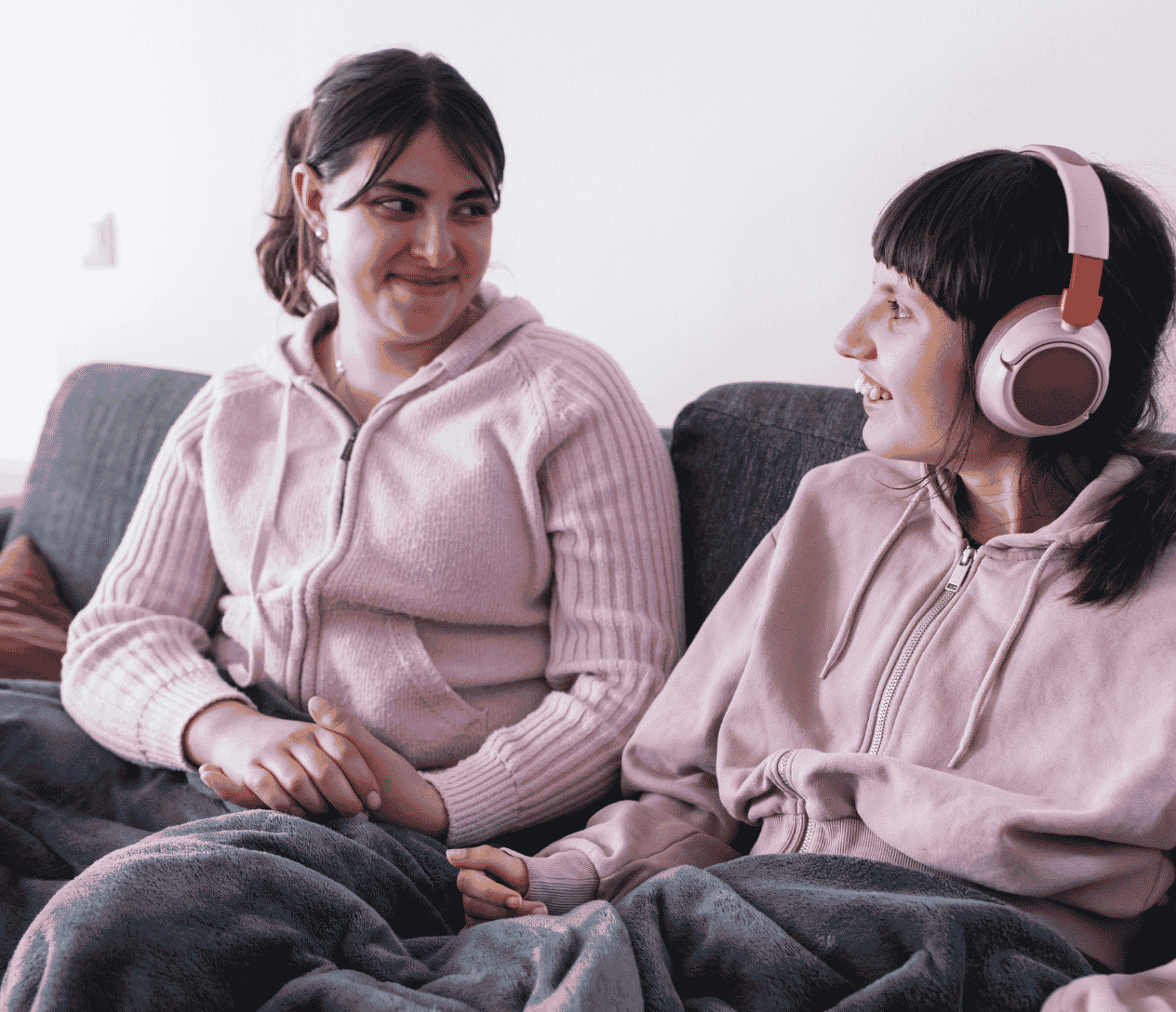
Some children need extra support to help them work through difficult experiences and build trust. Therapeutic fostering takes a relationship-led approach, with specialist training and professional guidance to help foster carers understand a child’s needs and support their emotional wellbeing.
Finding the right fostering path for you
You don’t need to decide which type of fostering is right for you before getting in touch. Our local fostering teams will talk through your experience, interests and home circumstances, helping you understand the options. As your skills, confidence and circumstances develop, you may find that different types of fostering become a good fit over time.

Find your local foster agency
Use your postcode to find your nearest foster care agencies