


First-time foster carers
A year of firsts: Louise and Nick's fostering story
“It’s not always easy, but it’s absolutely worth it.”
Milestone
Helped a young person grow in confidence, build friendships and feel more comfortable being himself.

Respite fostering offers planned, short periods of care. For a child, it can mean a familiar, welcoming place to stay. For their foster family, it can provide valuable time to rest and recharge.
Respite fostering involves caring for a child or young person for a short, agreed period, often to support an existing fostering arrangement. It may be a weekend, a few days or another planned period. Good communication and familiar routines help the child feel secure.
If you can offer reliable, flexible care for shorter periods, respite fostering may be a way to make a meaningful contribution.

You can make a child feel welcome without expecting an immediate bond.
You are happy to follow established routines and care plans.
You can communicate clearly with the child’s main carers and fostering team.
You can commit to agreed dates and prepare for a child’s arrival.
Whatever your fostering journey looks like, you deserve clear information and people you can turn to. We will help you understand the expectations of the role and what support is available.

Build confidence and practical skills through preparation and ongoing learning.
Find guidance to help you support a child’s learning and progress.
Learn from people who understand the everyday realities of fostering.
Explore useful information, advice and answers to common questions.
You can explore your options without having to make a decision today. Start by finding out more about the requirements and speaking with our team.
Here are a few things you might be wondering about respite fostering.
Respite fostering usually involves welcoming a child into your home for a weekend, a few days or part of the school holidays. Arrangements are often planned in advance, giving children the opportunity to enjoy time in another supportive home while their regular foster carers take a break.
Where possible, children benefit from returning to the same respite foster carer. This helps them build trusting relationships, feel comfortable in familiar surroundings and enjoy a sense of consistency. You may also support different children depending on their needs and your availability.
Respite fostering may be a suitable option if you work, particularly if you're available at weekends or during school holidays. We'll discuss your working hours and other commitments to help identify arrangements that work for you and meet the needs of the child.
Yes, you'll receive a fostering allowance for the time a child spends in your care. The amount will depend on the individual fostering arrangement. Our team can explain the payments available and help you understand the financial aspects of respite fostering.
No, you don't need to have children of your own or previous professional childcare experience. Your life experience, patience and ability to build trusting relationships are just as valuable. Nexus Fostering will provide the training and guidance you need to prepare for fostering.
Real experiences can help you picture what fostering is like, from the first conversation to everyday moments of connection.
First-time foster carers
“It’s not always easy, but it’s absolutely worth it.”
Milestone
Helped a young person grow in confidence, build friendships and feel more comfortable being himself.
Experienced foster carers
“That's the kind of moment that shows you're making an impact.”
Milestone
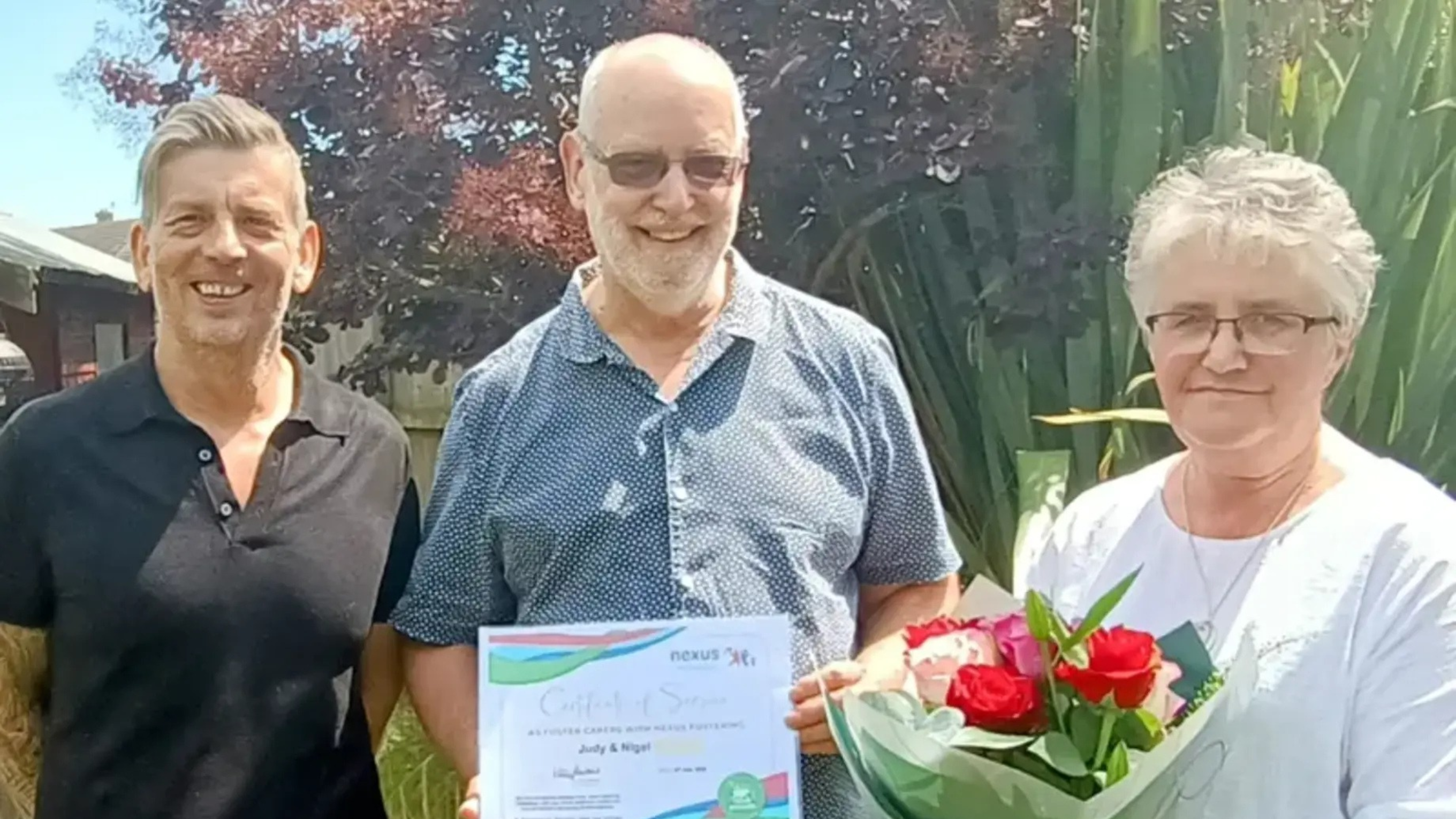
10 years of fostering, providing a stable, long-term family home where a young person has grown in confidence and become part of the family.

Respite carers
“He came to us shy and frail, and now he's a confident, happy young man.”
Milestone
Celebrating 10 years of fostering and helping a young person grow in confidence, build friendships and thrive at school.
Find practical information to help you understand your options.

Explore the different ways you can offer a child a safe, supportive home.

Understand the financial and practical support that may be available.

Get to know Nexus Fostering and the people behind our work.
Read helpful advice, updates and real experiences from the Nexus Fostering community.
From social media and gaming to group chats and online friendships, the digital world is a big part of growing up.
With conversations around restricting children's access to social media, what does this mean for foster carers?
We explore how everyday conversations, sensible boundaries and experiences beyond the screen can help children feel more confident and stay safer online.

Fostering news