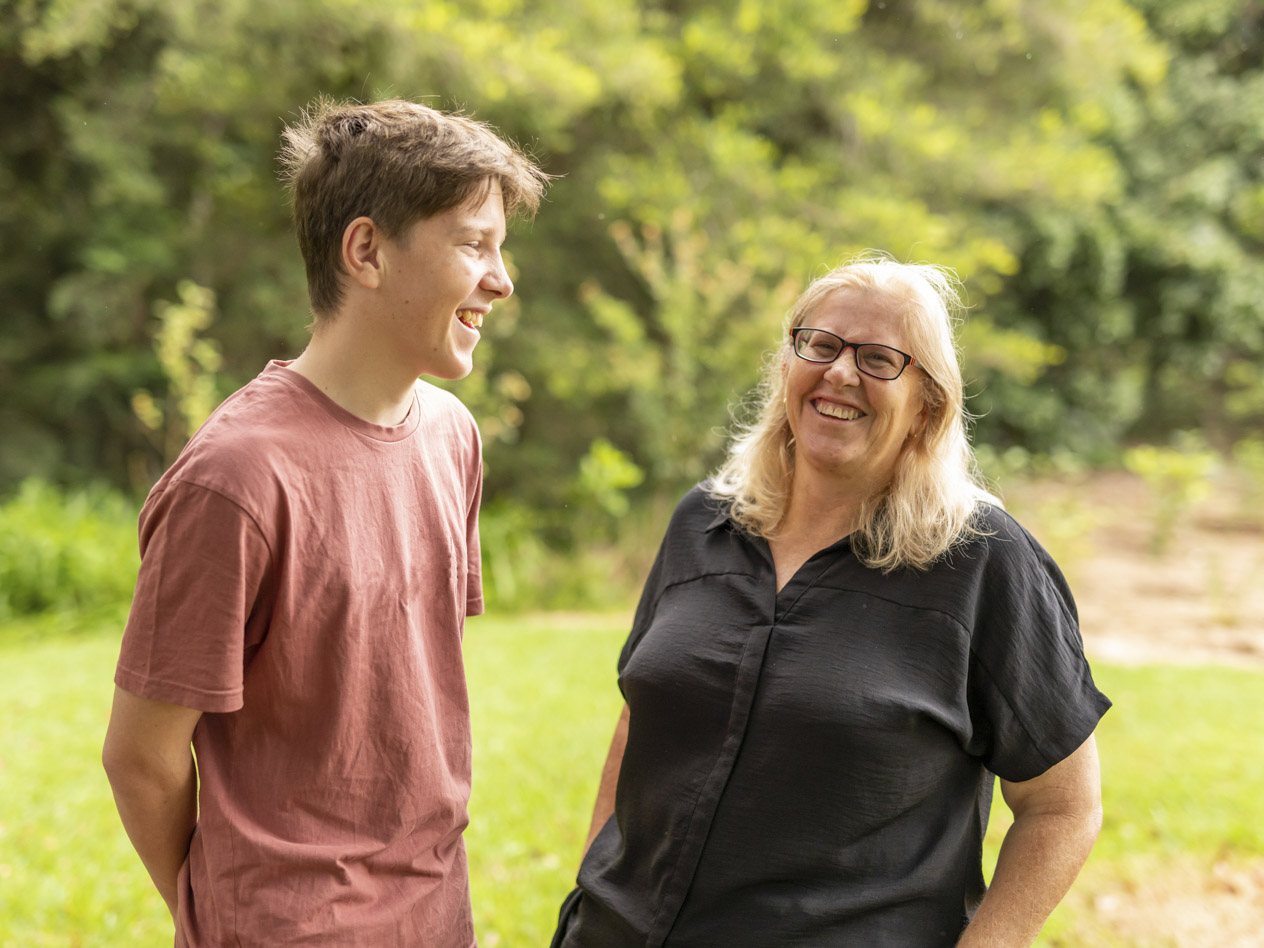

First-time foster carers
A year of firsts: Louise and Nick's fostering story
“It’s not always easy, but it’s absolutely worth it.”
Milestone
Helped a young person grow in confidence, build friendships and feel more comfortable being himself.

There’s more than one way to foster. Some children need somewhere safe for a short while; others need a home for much longer. Explore the different types of fostering and discover where you could make a difference.
Every child’s situation is different, so fostering isn’t one-size-fits-all. From a few days of care to a longer-term home, there are different ways to offer children the stability, understanding and support they need.
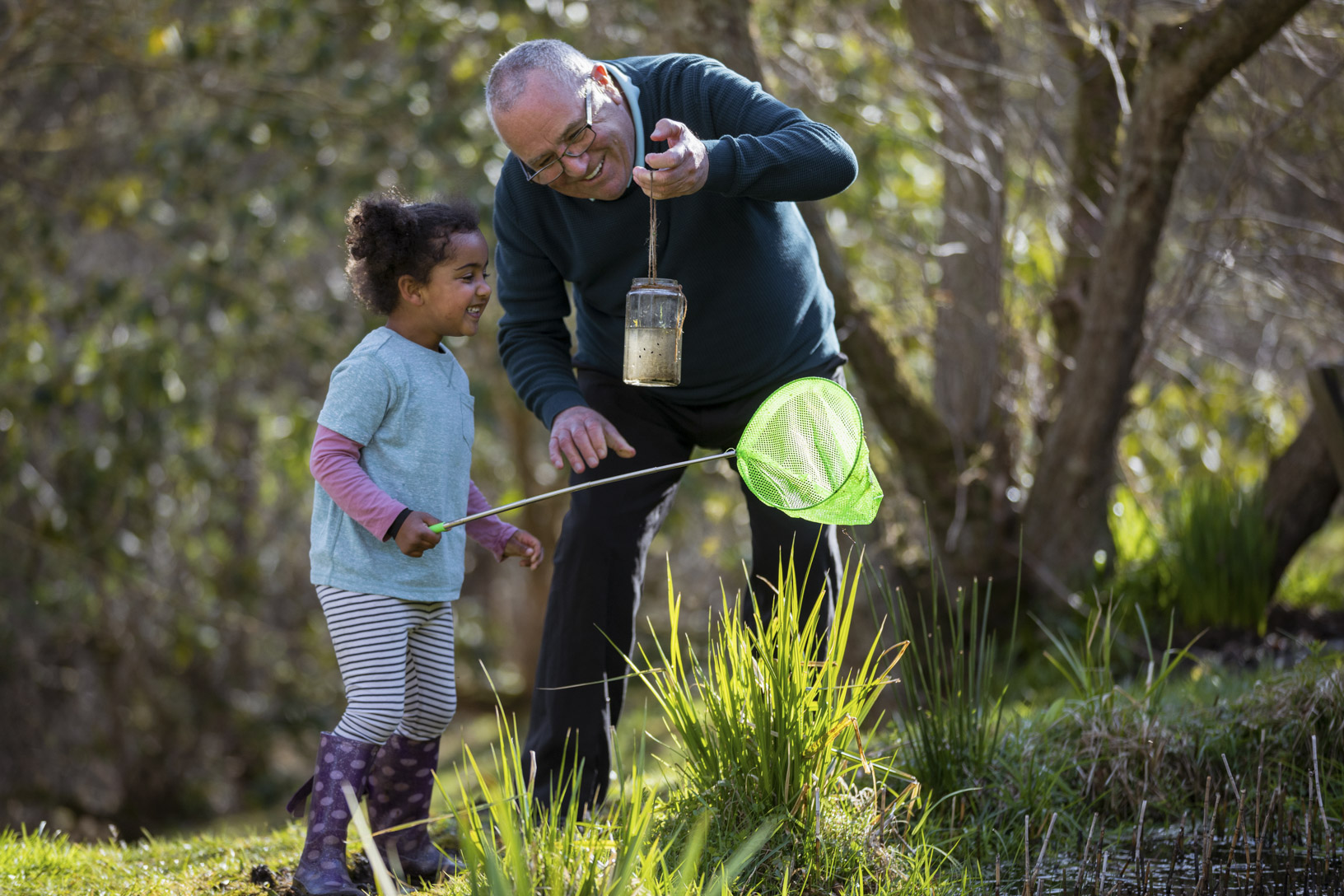
Short-term fostering gives a child or young person somewhere safe and supportive to stay while decisions are made about their future. This could be for days, weeks or longer, depending on their needs.

Some children need a foster home where they can settle and grow up over the longer term. Long-term fostering is about building trust, sharing everyday experiences and offering consistency as a child moves through life.

Respite fostering offers planned, short periods of care to support a child and their existing carers. It can be an important part of helping fostering families feel supported and giving children another trusted place to stay.
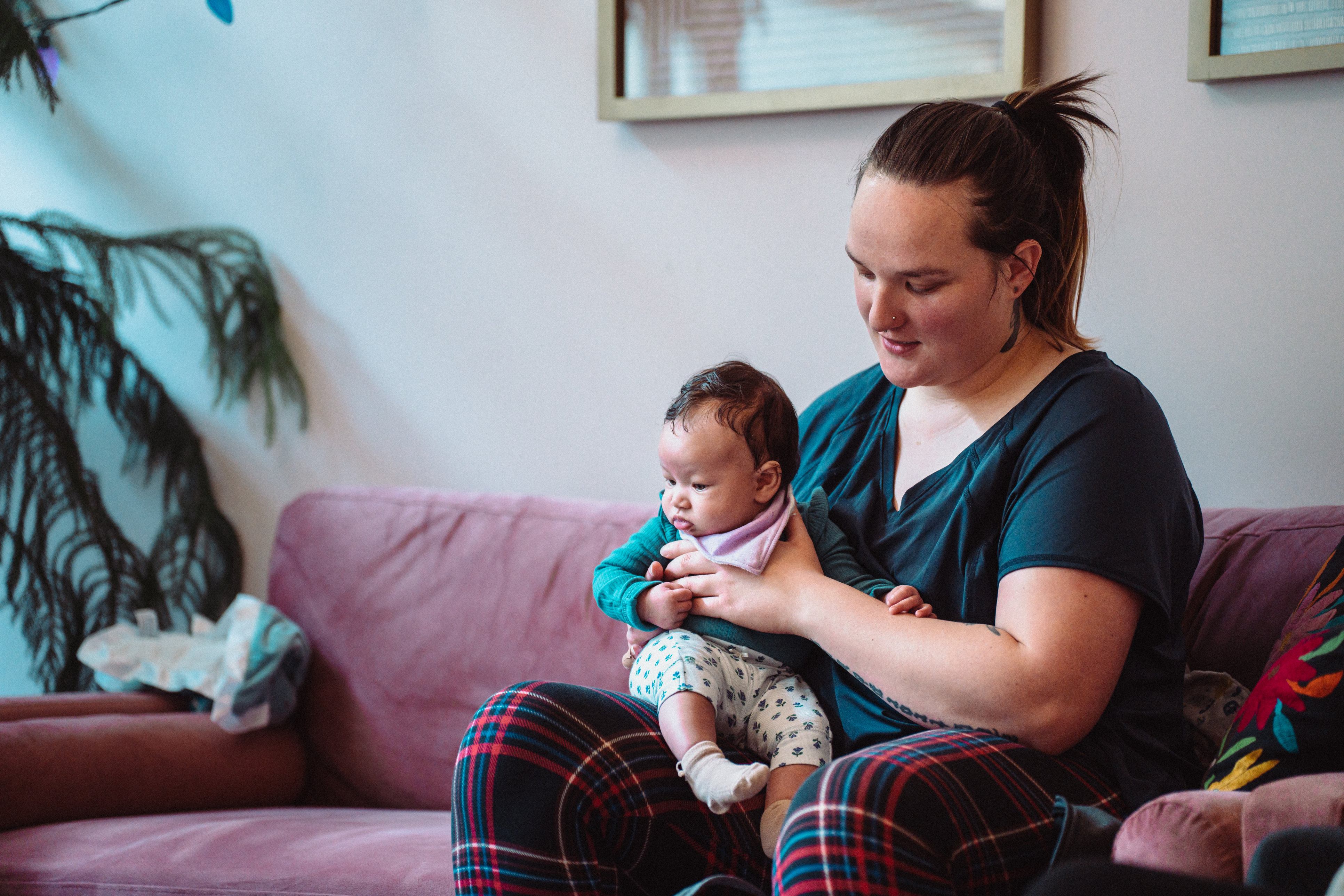
Parent and child fostering involves welcoming a parent and their baby or young child into your home. You offer a supportive environment while the parent develops their confidence and parenting skills, alongside guidance from professionals.
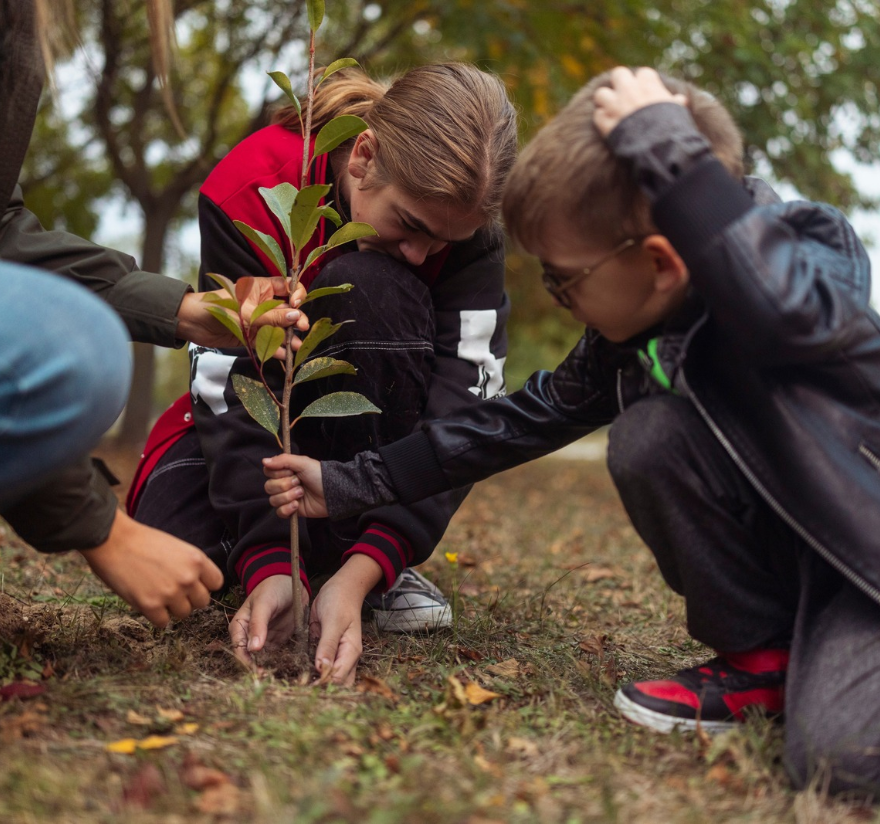
For brothers and sisters who need foster care, staying together can provide familiarity and comfort at a time of change. Fostering siblings means offering the space, care and support to help them maintain that important bond where it is right for them.

Some children have experienced significant trauma or need more specialist support. Therapeutically led fostering brings a thoughtful, relationship-based approach to caring for them, with training and professional guidance tailored to their needs.

The teenage years are full of firsts, big decisions and plenty of ups and downs. For teenagers in foster care, having someone who listens, believes in them and gives them room to grow can mean so much. Fostering teenagers is about being there through everyday moments, whether that's helping with exams, navigating friendships, encouraging new interests or preparing for greater independence. It's about giving young people a voice, respecting their individuality and helping them feel confident about their future.
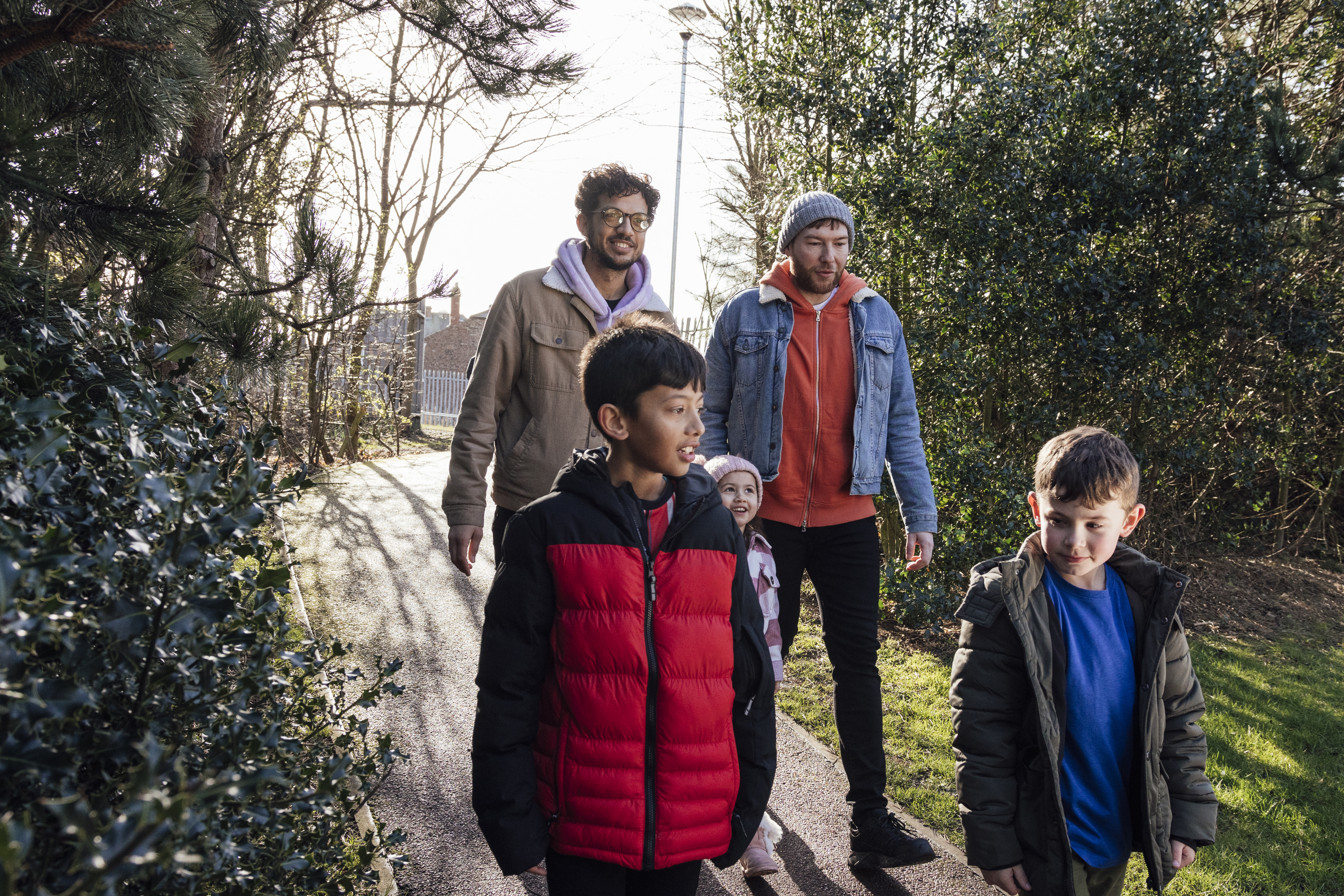
Unaccompanied asylum-seeking children have arrived in the UK without a parent or responsible adult to care for them. Many have experienced difficult journeys and are adjusting to a new country, language and way of life.
Fostering means offering a welcoming home, helping young people build friendships, access education and stay connected to their culture and identity.
You don't need to know exactly what type of fostering is right for you before getting started. We'll explore your interests, experience and circumstances together to help you find the right fit. And as life changes, your fostering journey can too. You might start with respite fostering and later feel ready to offer longer-term care. There's room to grow, learn and discover what works for you.

Want to understand what fostering could mean for you? These pages are a good place to start.

Discover the difference fostering can make for children, young people and the people who care for them.

Understand how fostering allowances work and what support may be available.
Get to know Nexus Fostering and the people who will be alongside you.
Straightforward answers to the questions we hear most often from people thinking about fostering.
You don't need to decide which type of fostering you'd like to provide before getting in touch. We'll take the time to understand your experience, family life and availability, helping you identify which types of fostering could suit you and the needs of children in care.
Yes, depending on the space in your home, your experience and your family circumstances. Fostering more than one child can help brothers and sisters stay together. We'll work with you to ensure you have the space, time and support to meet each child's individual needs.
You can discuss your preferred age range during your fostering assessment. We'll help you understand the needs of children of different ages and where your skills and experience could make the greatest difference. Being flexible about age can open up more opportunities to foster.
Yes. As your experience grows or your circumstances change, you may wish to explore other types of fostering. Your Supervising Social Worker will discuss your options with you, including any additional training, support or changes to your approval that may be needed.
You might be closer than you think. Answer a few straightforward questions to explore whether fostering could be an option for you.
The best way to understand fostering is to hear from people who do it. Explore the everyday moments, challenges and rewards through the experiences of Nexus foster carers.
First-time foster carers
“It’s not always easy, but it’s absolutely worth it.”
Milestone
Helped a young person grow in confidence, build friendships and feel more comfortable being himself.
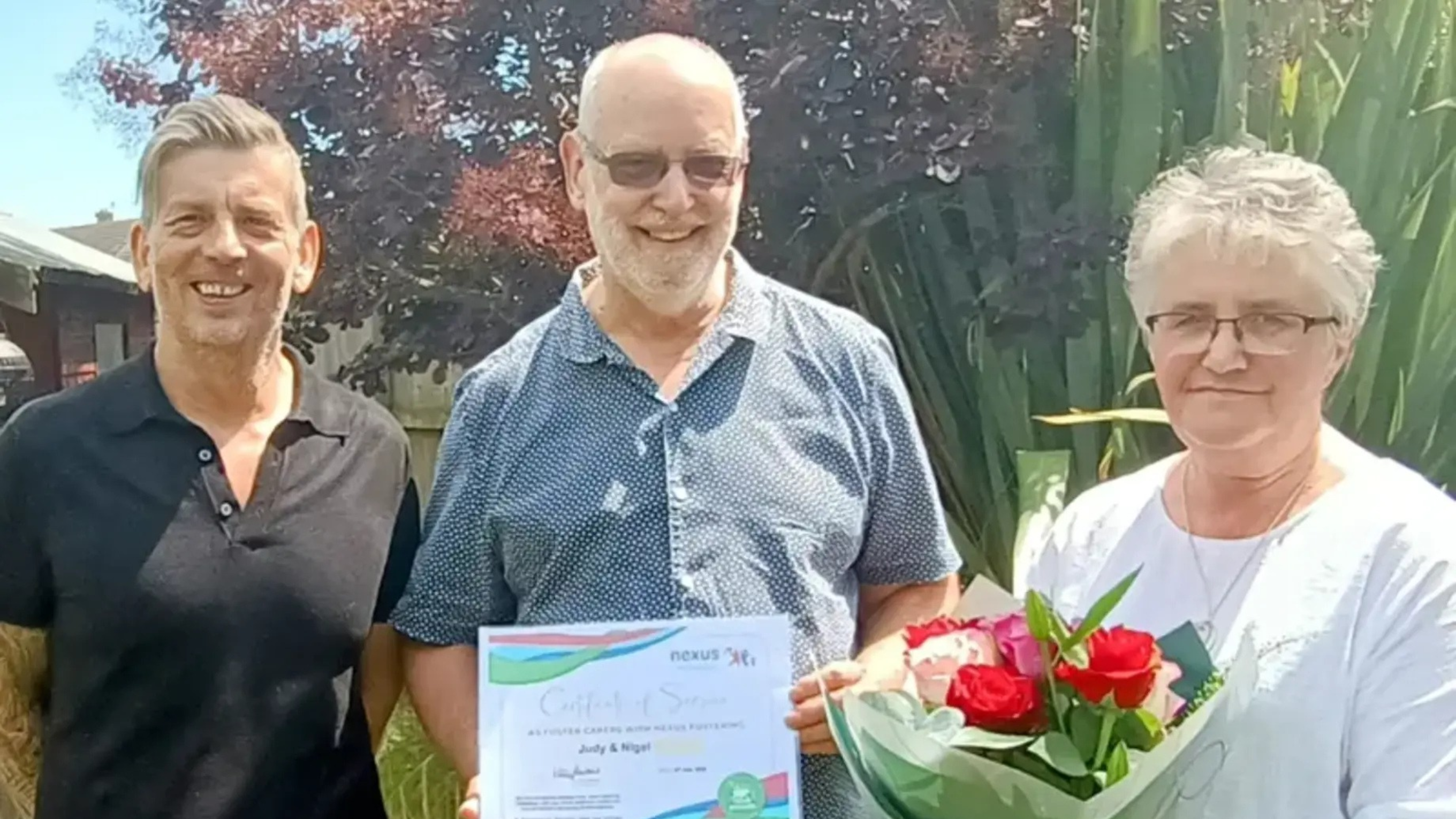
Experienced foster carers
“That's the kind of moment that shows you're making an impact.”
Milestone
10 years of fostering, providing a stable, long-term family home where a young person has grown in confidence and become part of the family.

Respite carers
“He came to us shy and frail, and now he's a confident, happy young man.”
Milestone
Celebrating 10 years of fostering and helping a young person grow in confidence, build friendships and thrive at school.
Keep up with stories, practical advice and updates from the world of fostering and the Nexus Fostering community.
From social media and gaming to group chats and online friendships, the digital world is a big part of growing up.
With conversations around restricting children's access to social media, what does this mean for foster carers?
We explore how everyday conversations, sensible boundaries and experiences beyond the screen can help children feel more confident and stay safer online.

Fostering news