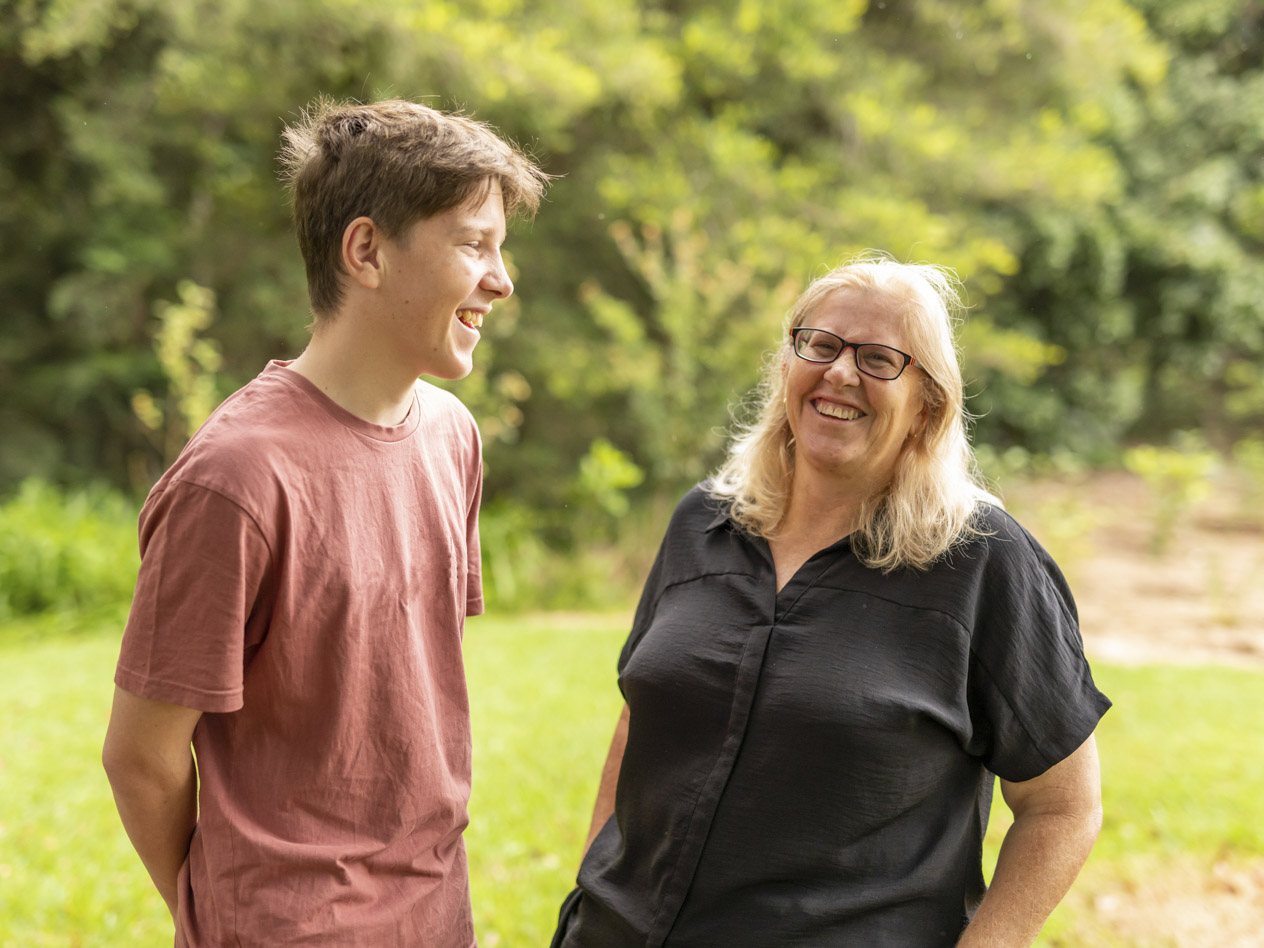


First-time foster carers
A year of firsts: Louise and Nick's fostering story
“It’s not always easy, but it’s absolutely worth it.”
Milestone
Helped a young person grow in confidence, build friendships and feel more comfortable being himself.

Some children have experienced trauma, loss or repeated uncertainty. Therapeutically led fostering puts relationships, empathy and an understanding of those experiences at the heart of everyday care.
Therapeutically led fostering uses a trauma-informed, relationship-based approach to help children feel safe and understood. It involves looking beyond behaviour to consider what a child may be communicating, while maintaining clear, consistent boundaries. Any specialist therapeutic model, clinical input or additional support must be confirmed with Nexus before publication.
You do not have to arrive as an expert. Curiosity, patience and a willingness to reflect on your approach are important starting points.

You do not have to arrive as an expert. Curiosity, patience and a willingness to reflect on your approach are important starting points.
You can respond to difficult behaviour with curiosity as well as boundaries.
You understand that trust and progress can take time.
You are open to training, reflection and working as part of a wider team.
You can recognise when you need guidance and ask for support.
Whatever your fostering journey looks like, you deserve clear information and people you can turn to. We will help you understand the expectations of the role and what support is available.

Build confidence and practical skills through preparation and ongoing learning.
Find guidance to help you support a child’s learning and progress.
Learn from people who understand the everyday realities of fostering.
Explore useful information, advice and answers to common questions.
You can explore your options without having to make a decision today. Start by finding out more about the requirements and speaking with our team.
Here are a few things you might be wondering about therapeutically led fostering.
The fostering assessment and approval process typically takes around four to six months, although timescales can vary. During this time, you'll get to know the Nexus Fostering team, complete preparation training and work with an assessing social worker to establish whether fostering is right for you and your family.
It may be possible to work and foster, depending on your working hours, flexibility and the needs of the child. You'll need to be available for school runs, meetings, training and appointments. Our team can talk through your circumstances and help you understand what could work for you.
No, you can foster whether you rent or own your home. What's important is that you can provide a safe, stable home with a suitable spare bedroom. If you rent, you'll need permission from your landlord.
Yes, many foster carers have children of their own. We’ll talk with everyone in your household about how fostering could affect family life and consider the needs and wellbeing of all children involved.
The amount you could receive as a foster carer depends on the type of fostering you provide, the number of children in your care and their individual needs. Use our fostering allowance calculator to get an idea of how much you could receive with Nexus Fostering.
Real experiences can help you picture what fostering is like, from the first conversation to everyday moments of connection.
First-time foster carers
“It’s not always easy, but it’s absolutely worth it.”
Milestone
Helped a young person grow in confidence, build friendships and feel more comfortable being himself.
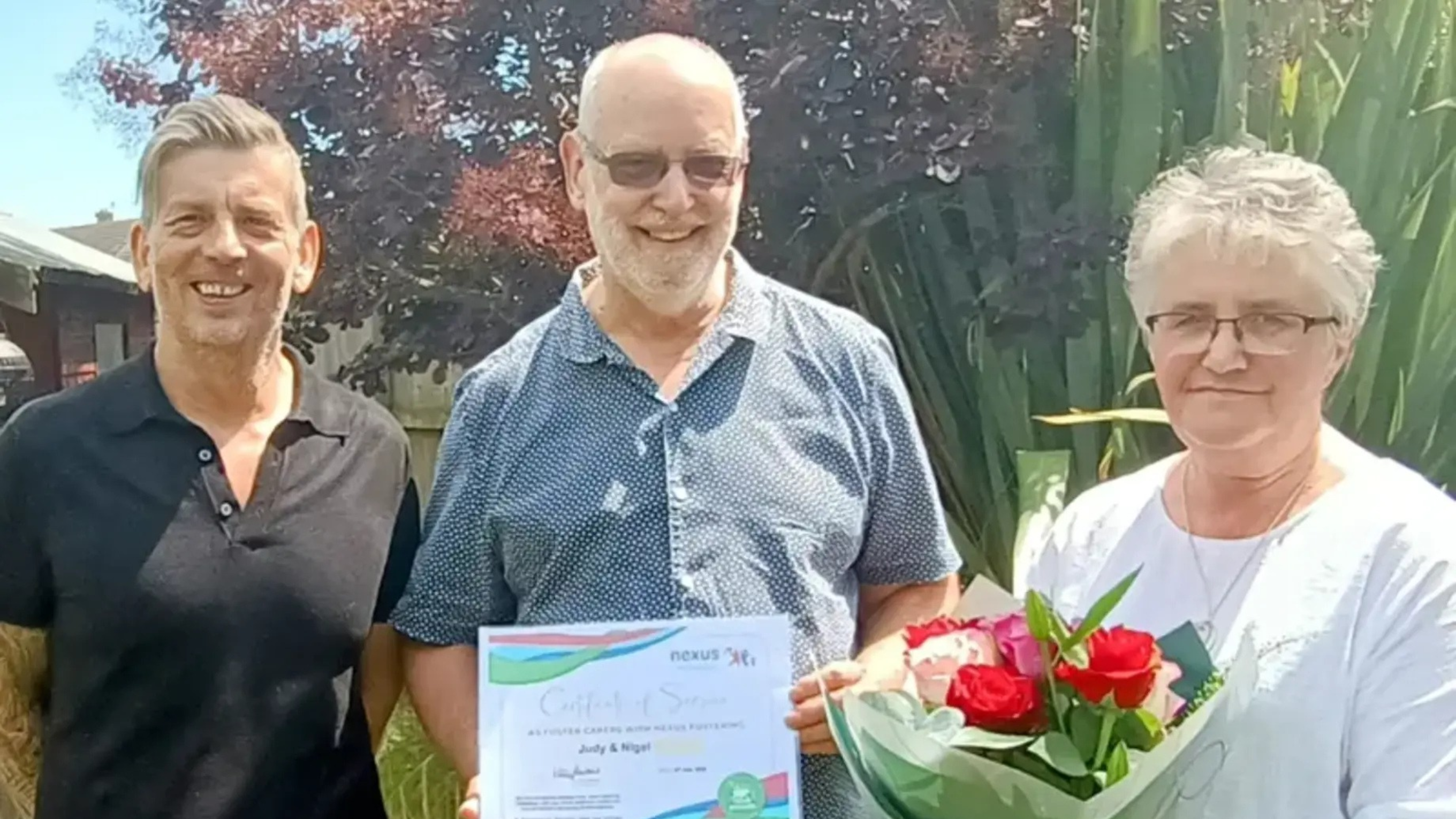
Experienced foster carers
“That's the kind of moment that shows you're making an impact.”
Milestone
10 years of fostering, providing a stable, long-term family home where a young person has grown in confidence and become part of the family.

Respite carers
“He came to us shy and frail, and now he's a confident, happy young man.”
Milestone
Celebrating 10 years of fostering and helping a young person grow in confidence, build friendships and thrive at school.
Find practical information to help you understand your options.

Explore the different ways you can offer a child a safe, supportive home.

Understand the financial and practical support that may be available.

Get to know Nexus Fostering and the people behind our work.
Read helpful advice, updates and real experiences from the Nexus Fostering community.
From social media and gaming to group chats and online friendships, the digital world is a big part of growing up.
With conversations around restricting children's access to social media, what does this mean for foster carers?
We explore how everyday conversations, sensible boundaries and experiences beyond the screen can help children feel more confident and stay safer online.

Fostering news