
First-time foster carers
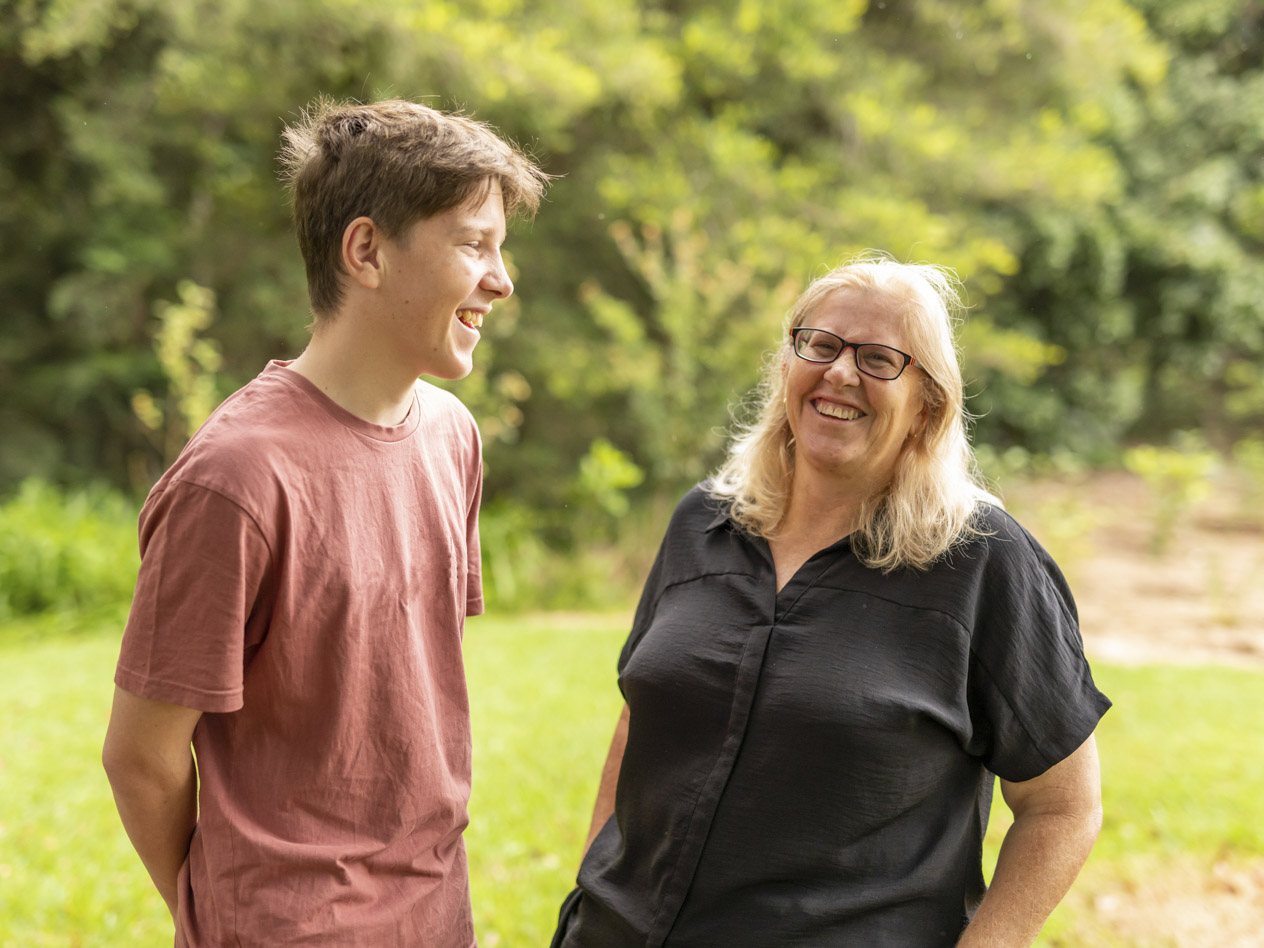
A year of firsts: Louise and Nick's fostering story
“It’s not always easy, but it’s absolutely worth it.”
Milestone
Helped a young person grow in confidence, build friendships and feel more comfortable being himself.

There’s no one-size-fits-all foster family. If you can offer a child stability, understanding and care, we’d like to hear from you.
There are plenty of assumptions about who can foster. Here are some of the things worth knowing before you rule yourself out.

Your application is considered against the same fostering requirements as everyone else’s. Your sexual orientation or gender identity is not a reason to rule you out.
You can enquire whether you’re single, married, in a civil partnership or in a relationship.
Parenting experience can help, but it isn’t the only way to build the skills and understanding fostering requires.
We want you to be able to ask questions openly and talk honestly about your circumstances and experiences.
Fostering means helping a child feel safe to be themselves and respecting their background, relationships and identity.
You might have a few questions. That’s a good place to start.
No. You can foster whether you're married, in a civil partnership or living together as a couple. What matters is the stability of your relationship and your ability to provide a safe, caring and supportive home for a child.
Yes. Your sexual orientation does not determine your ability to become a foster carer. At Nexus Fostering, we welcome applications from same-sex couples and recognise the individual strengths, skills and experiences you can bring to fostering.
Yes. Being transgender or non-binary does not prevent you from becoming a foster carer. What's important is your ability to meet a child's needs, build trusting relationships and provide a safe and supportive home.
At Nexus Fostering, you'll have a dedicated Supervising Social Worker and an experienced local team who get to know you and your family. You'll also benefit from the expertise of our wider education and therapeutic teams, specialist training, local support groups and 24/7 support. Together, we'll help you feel confident in your role and meet the individual needs of the children in your care.
This will depend on your working hours, flexibility and the needs of the child. Fostering requires time for school routines, appointments, family contact and training. We'll discuss your circumstances and help you understand how fostering could fit alongside your employment.
Yes. Living alone doesn't prevent you from becoming a foster carer. What's important is having a safe, stable home, a suitable spare bedroom and the time and commitment to meet a child's needs. Your relationship status doesn't determine your ability to foster.
Whether you’re just curious or ready to talk, there’s more to explore.
See what fostering involves and why everyday moments can make such a difference.

Understand the financial and practical support available to foster carers.

Find out what happens from your first conversation through to assessment and approval.
You don’t have to work it all out today. Answer a few questions to explore whether fostering could be an option for you.
The best way to understand fostering is to hear from people who live it. Explore their experiences, the challenges and the moments that matter.
First-time foster carers
“It’s not always easy, but it’s absolutely worth it.”
Milestone
Helped a young person grow in confidence, build friendships and feel more comfortable being himself.
Experienced foster carers
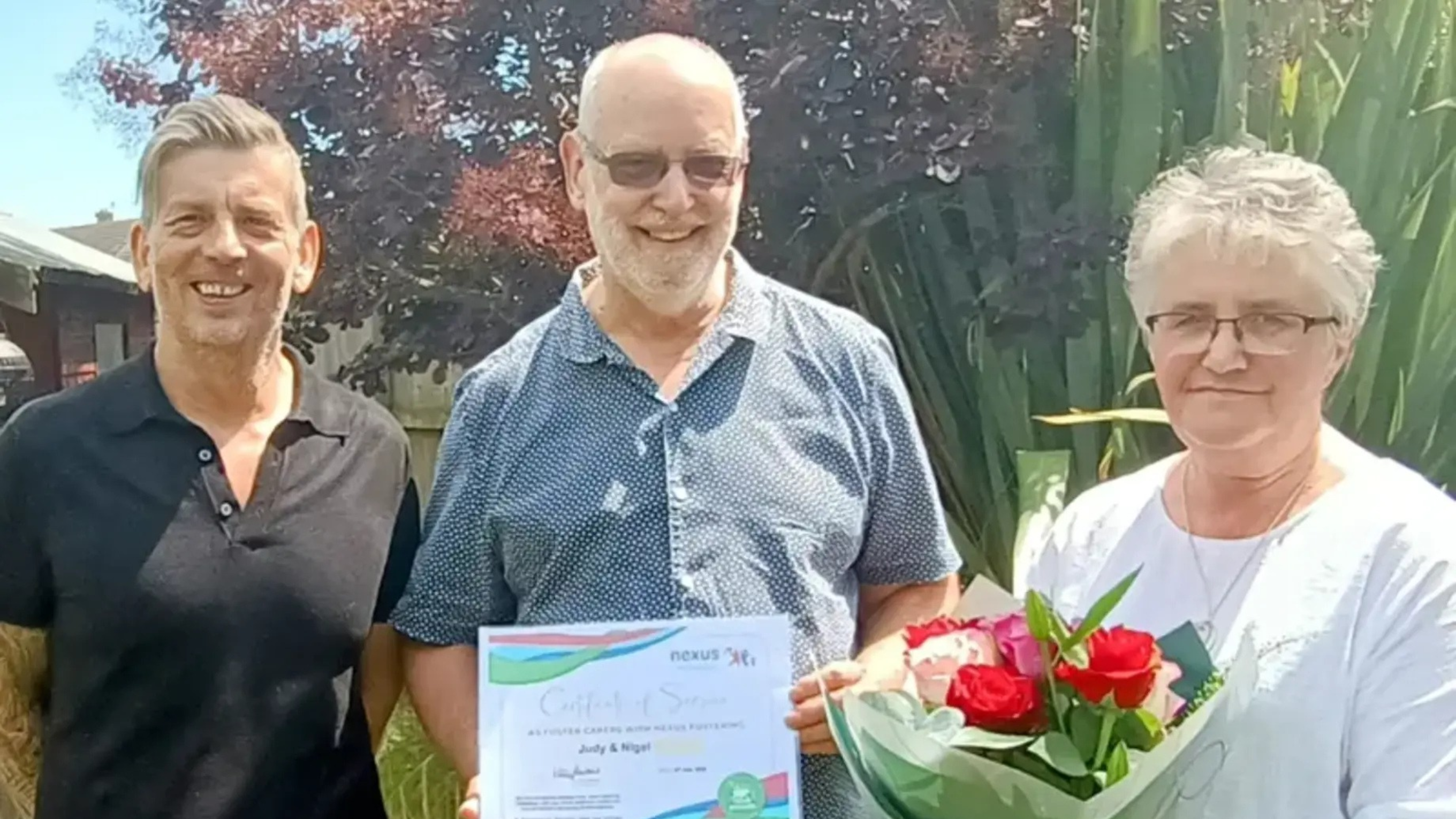
“That's the kind of moment that shows you're making an impact.”
Milestone
10 years of fostering, providing a stable, long-term family home where a young person has grown in confidence and become part of the family.
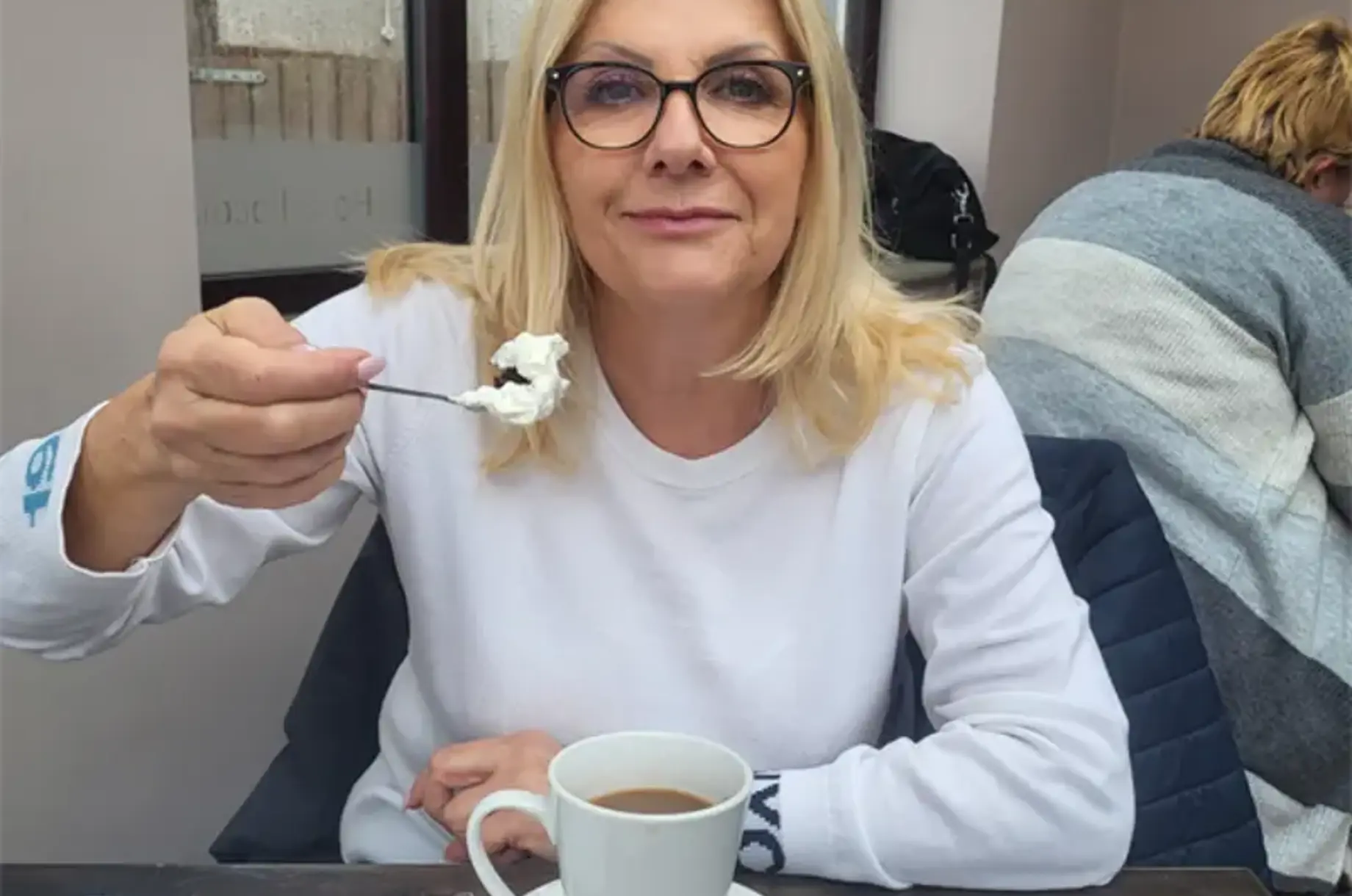
Respite carers
“He came to us shy and frail, and now he's a confident, happy young man.”
Milestone
Celebrating 10 years of fostering and helping a young person grow in confidence, build friendships and thrive at school.
Updates, useful advice and real experiences from across the fostering community.
From social media and gaming to group chats and online friendships, the digital world is a big part of growing up.
With conversations around restricting children's access to social media, what does this mean for foster carers?
We explore how everyday conversations, sensible boundaries and experiences beyond the screen can help children feel more confident and stay safer online.

Fostering news