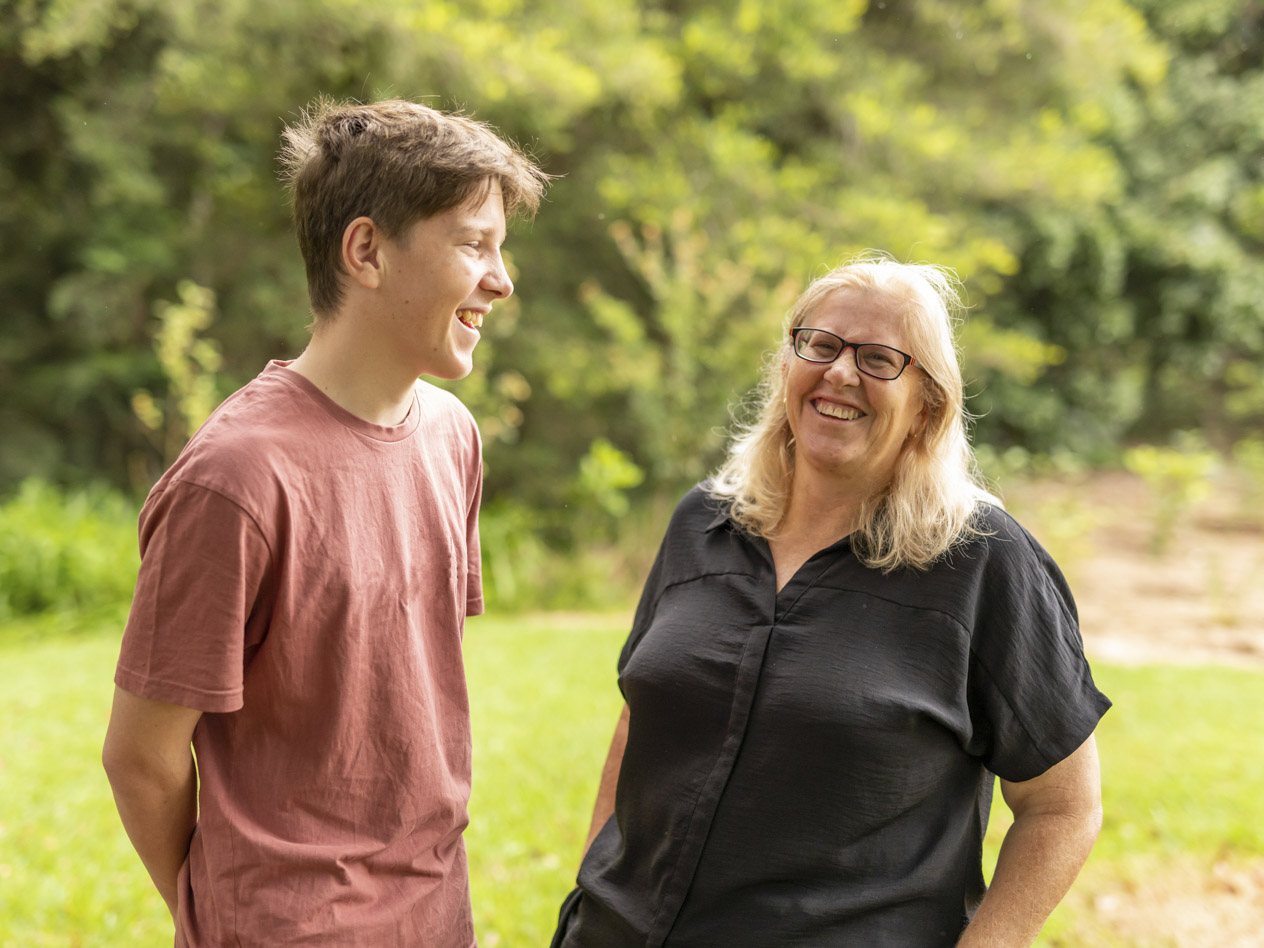

First-time foster carers
A year of firsts: Louise and Nick's fostering story
“It’s not always easy, but it’s absolutely worth it.”
Milestone
Helped a young person grow in confidence, build friendships and feel more comfortable being himself.

You know that progress doesn’t always happen in a straight line. If you work in education, your patience, encouragement and understanding could make a real difference beyond the classroom.
There are plenty of assumptions about who can foster. Here are some of the things worth knowing before you rule yourself out.

Supporting learning often means recognising confidence, relationships and wellbeing as well as results.
Fostering is full of everyday progress. Encouragement and consistency can help a child feel seen.
Your skills may help you communicate with schools and support a child’s learning, but fostering brings additional responsibilities.
We’ll explore your availability during holidays, appointments and other times a child may need you.
Whatever your professional experience, fostering preparation and ongoing learning are still important.
You might have a few questions. That’s a good place to start.
It may be possible, depending on your working hours, flexibility and the needs of the child. Fostering requires time for appointments, meetings, training and everyday care. Our team will discuss your circumstances and help you understand how fostering could fit alongside your teaching commitments.
Respite fostering may be an option if you're available during school holidays. You could provide children with a safe, welcoming home for short periods while their regular foster carers take a break. We'll discuss your availability and the opportunities that could suit you.
Yes. Your experience in education could be incredibly valuable in fostering. Understanding children's development, recognising individual needs and helping young people build confidence are all skills that could make a lasting difference to a child in your care.
Your professional experience may have equipped you with skills that are particularly valuable in therapeutic fostering. Patience, emotional resilience and the ability to build trusting relationships can help children who have experienced trauma feel safe and understood. Nexus Fostering provides specialist training and therapeutic guidance to help you develop these skills further.
At Nexus Fostering, you'll have a dedicated Supervising Social Worker and an experienced local team who get to know you and your family. You'll also benefit from the expertise of our wider education and therapeutic teams, specialist training, local support groups and 24/7 support. Together, we'll help you feel confident in your role and meet the individual needs of the children in your care.
Whether you’re just curious or ready to talk, there’s more to explore.

See what fostering involves and why everyday moments can make such a difference.

Understand the financial and practical support available to foster carers.

Find out what happens from your first conversation through to assessment and approval.
You don’t have to work it all out today. Answer a few questions to explore whether fostering could be an option for you.
The best way to understand fostering is to hear from people who live it. Explore their experiences, the challenges and the moments that matter.
First-time foster carers
“It’s not always easy, but it’s absolutely worth it.”
Milestone
Helped a young person grow in confidence, build friendships and feel more comfortable being himself.
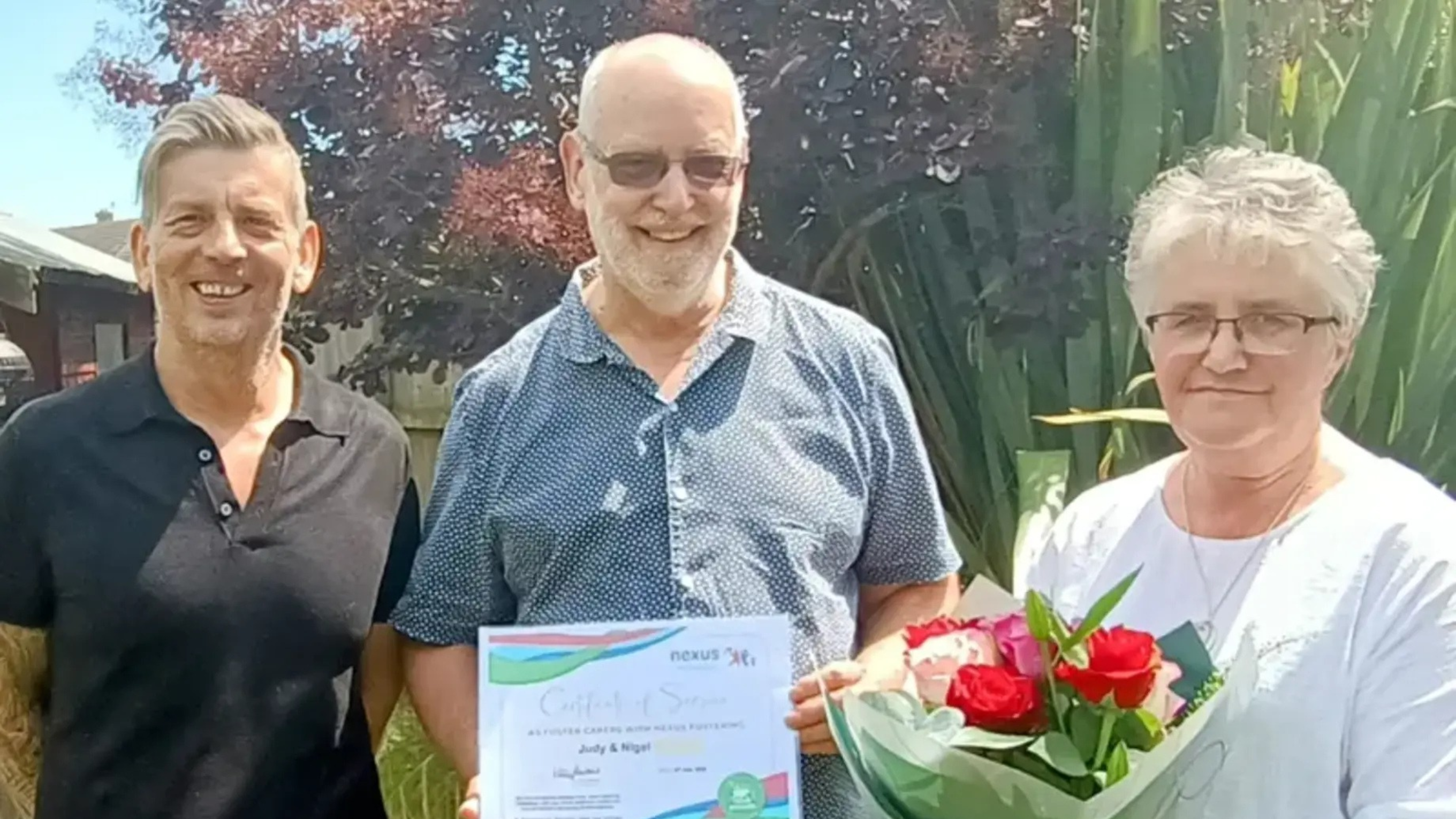
Experienced foster carers
“That's the kind of moment that shows you're making an impact.”
Milestone
10 years of fostering, providing a stable, long-term family home where a young person has grown in confidence and become part of the family.

Respite carers
“He came to us shy and frail, and now he's a confident, happy young man.”
Milestone
Celebrating 10 years of fostering and helping a young person grow in confidence, build friendships and thrive at school.
Updates, useful advice and real experiences from across the Nexus Fostering community.
From social media and gaming to group chats and online friendships, the digital world is a big part of growing up.
With conversations around restricting children's access to social media, what does this mean for foster carers?
We explore how everyday conversations, sensible boundaries and experiences beyond the screen can help children feel more confident and stay safer online.

Fostering news