Links to homepage

Research & insights

Growing up in a fostering household as a birth child

What is it like growing up in a fostering family? Amy shares her experiences as a birth child, from welcoming children into her home to the lasting impact fostering has had on her life.

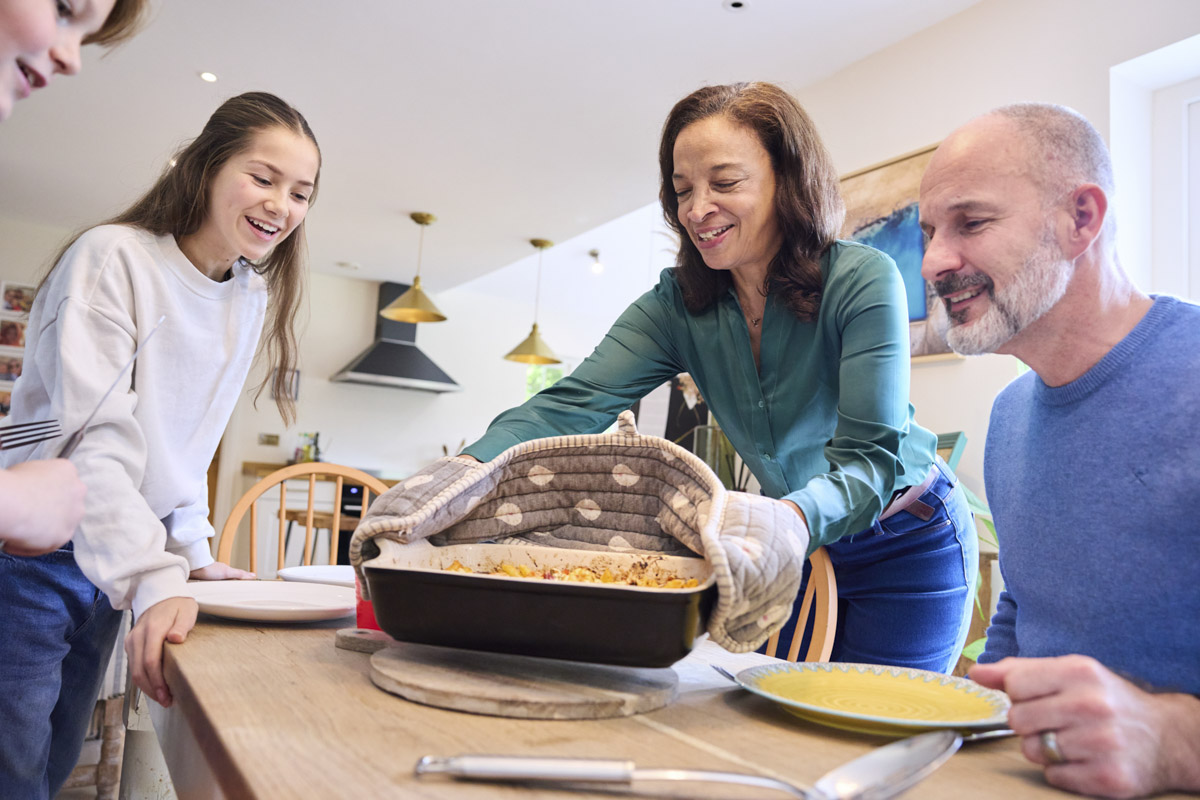
respite-fostering-family-dinner.jpg

Growing up in a fostering household as a birth child

Amy grew up in a fostering household from a young age. Due to her experiences this sparked her interest in wanting to help others. Since then Amy has gone onto become a Social Worker with Nexus Fostering and runs the birth child participation events for the Three Counties team.

Do you remember how you felt when your parents told you they were going to foster?

As I was growing up, our neighbours were foster carers, so I have been around foster children for as long as I can remember. I am an only child, and I remember asking my Mum and Dad to foster so that I could have someone to play with! My parents made the decision to foster when I was about 13. They chose to foster mostly babies, often caring for those withdrawing from drugs. I remember feeling very excited at the idea of a little baby coming into our home for us to care for and love, but also feeling a little bit nervous.

How did you adapt to becoming a fostering family?

For the first few weeks, it did feel strange having another little one in the home. However, after a few weeks, this settled down. Having younger ones in the house again was a great excuse to go on family days out that I was probably a bit too old for by that point which was great!

It was a bit more challenging as I got older and reached my GCSE and A-level years, as little ones can be noisy. However, I spoke with my parents about how I felt, and they raised my feelings with their supervising social worker to ensure things were put in place to support me through my exams. This included things like slightly changing a child’s nursery hours, so I had a bit of time after school to revise in a quiet home.

Things did change in the home, but I feel these were all positive changes.

How long did you live in the household when your parents were fostering?

For around ten years, although I went to university during this time.

Tell us a bit about some great memories of living in a fostering household?

I have so many fond memories of fostering, and there is no doubt my experiences have shaped who I am today. One of my favourite memories is of a child we cared for from a baby for a couple of years who then moved on to their forever family.

Approximately ten years after they moved on, they were looking through the memory box and photo album we made for them. They then asked to meet us again, which we did!

Meeting with them ten years after they moved to their forever family and seeing how much they had flourished in that time was incredible.

Did you ever struggle with any part of the process, or any challenges that come with living in a fostering household?

When a foster child moved on, it was always difficult, but we always made it very clear that it was never goodbye; it was a “see you later!”. On the day a child moved on, we would always make sure we planned something as a family, and that always included going out for a yummy breakfast at a specific café. We would spend the day together and share our favourite stories and memories of our time caring for the child.

You’re now a social worker, would you mind letting us know why you chose to go down this route?

Growing up in a fostering household definitely encouraged me to follow this career path. I loved being a part of a fostering family and seeing the difference we were able to make to a baby or young child. I wanted to be able to use my experience to support other foster carers in their fostering journey.

What advice would you give to birth children living in a fostering household who might be new to it?

I would always encourage a child to speak to their parents and their supervising social worker about how they are feeling, both the good and the bad! It does feel a bit scary at first, but that is completely normal!

What advice would you give to someone considering becoming a social worker?

I would always encourage someone wanting to be a social worker to get some experience first. Explore employment or volunteer opportunities that will allow you to gain experience and understanding before starting university. I also encourage anyone starting their degree to get a good head start on reading social work books, as you will be grateful when it comes to writing assignments!

Anything else you wish to tell us?

Over at the Three Counties office, we have recently started organising events every couple of months just for birth children. We would love to see as many birth children attend these events as possible, so we would encourage birth children to share any ideas of what we could do with us! As I was growing up, one of my friend’s parents was also a foster carer. Having a friend who understood how it felt when a foster child arrived or when a child moved on was a great support to me and is something I’d love our birth children to have.

Related guides

Practical advice from our fostering experts to help you at every stage.

View all about Related guides
  • Long Term Fostering Two Block

    Research & insights

    What happens when a young person in foster care turns 18?

    Find out what happens when a young person in foster care turns 18, including Staying Put arrangements, independent living and the support available.

    Key learnings

    • What happens when a young person in foster care turns 18.

    • How Staying Put arrangements allow young people to remain with their foster families.

    • The differences between supported living and independent accommodation.

    • What financial support may be available to foster carers after a young person turns 18.

    • How foster carers can help young people prepare for independent living.

  • Why More Young People Are Entering Residential Care

    Research & insights

    Why more children are entering residential care and why foster carers are needed now more than ever

    Find out why more children are entering residential care, what's driving the shortage of foster carers and how fostering could make a difference.

    Key learnings

    • Why more children and young people are entering residential care.

    • What residential care involves and how it differs from fostering.

    • Why teenagers, siblings and children with additional needs are particularly affected by the shortage of foster carers.

    • How growing up in a foster family can support a child's wellbeing, education and future.

    • Why more foster carers are urgently needed and the difference they could make.

Fostering eligibility quiz

Our carers come from all walks of life, including people who are single, married, homeowners, renting, working, retired and LGBTQ+. Find out if you could join them.

The following questions will help you understand if becoming a foster carer could be right for you

  • There are up to 19 questions
  • You’ll get useful information about fostering and advice on what to do next
  • You don’t have to give us your contact details unless you want to keep in touch or speak to someone
  • This quiz isn’t the start of your fostering application. It’s designed to give you plenty of information so you can decide your next step

Current foster carer? You don’t need to complete the eligibility quiz. Transfer to us

Want to finish later? We can email you a link

We will send you an email link to finish the quiz later, just click on the link in the email and it will take you back to where you left off!

We keep your answers for 30 days so you can carry on, then delete them. We only use your email address to send you this link.

Fostering Allowance Calculator

Our fostering allowance calculator can help give you an idea of what your fostering income could be over the year.

Are you new to fostering or an existing/transfer carer

Your estimated fostering allowance:

£0 per year

This is an indicative estimate. Actual allowances can vary depending on the placement and individual circumstances.

Get in touch