Links to homepage

Research & insights

What happens when a young person in foster care turns 18?

Find out what happens when a young person in foster care turns 18, including Staying Put arrangements, independent living and the support available.

Long Term Fostering Two Block

What happens when a young person in foster care turns 18?

If you’re thinking about long-term foster care or fostering teenagers, you might be wondering what happens when a young person turns 18.

Before legislation changes came into effect, young people in foster care were expected to become independent from the day of their 18th birthday. 

Now, young people in the UK are no longer required to leave their foster homes straight away. When a child starts to approach adulthood, a team consisting of social workers, the local authority, and foster carers will form a pathway plan for the future. Covering everything from employment and finances to accommodation, this collectively created plan will help a child to live independently once they reach adulthood. 

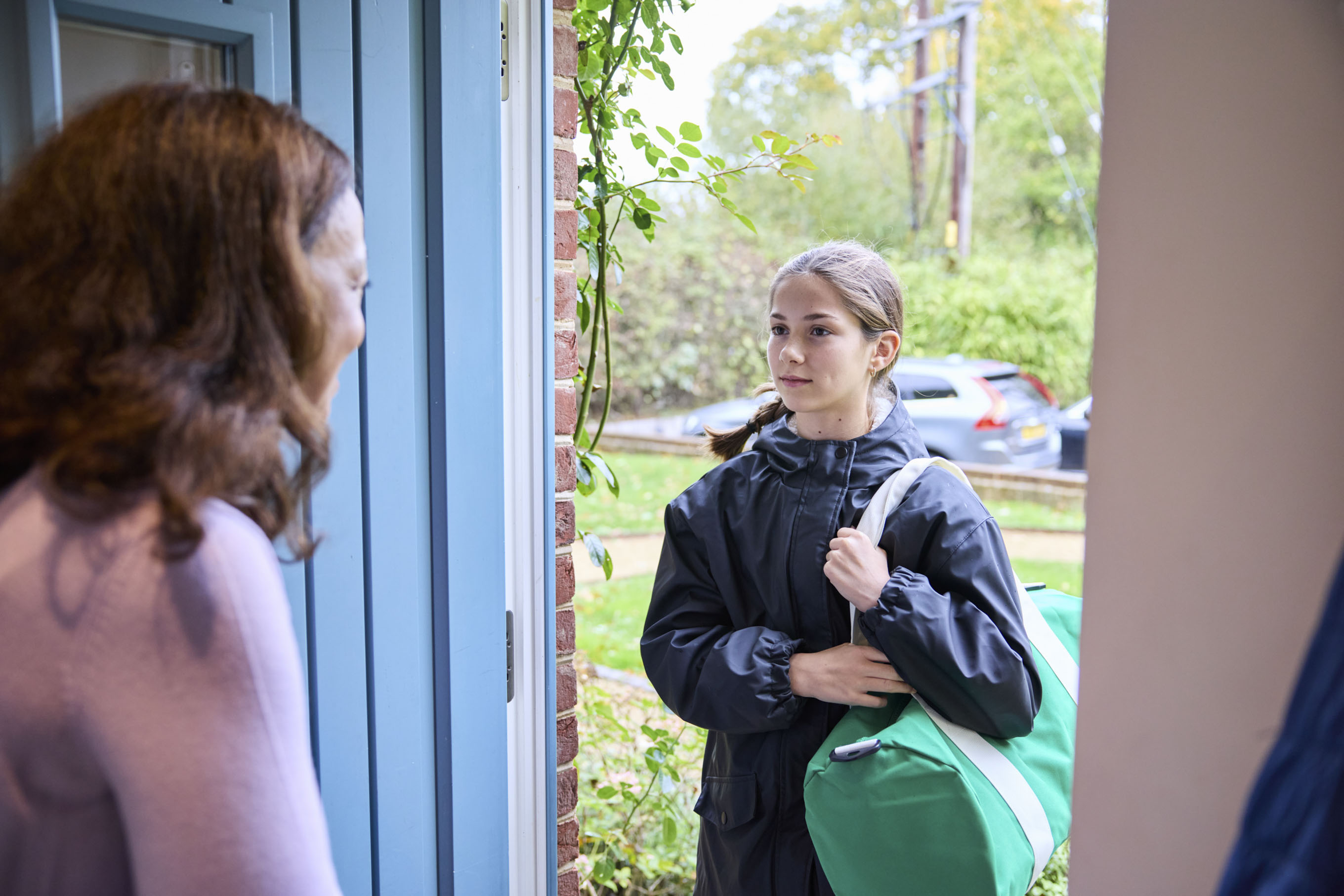
The average age for moving out of the family home is 24.* Although no longer considered ‘looked after children,’ many young people in foster care are choosing to remain within their foster family beyond age 18 as they often have built strong bonds over the years of living in the household.

Alternatively, those who feel ready for independence have the option of moving into private accommodation or entering supported living. 

This blog post explores the options and support available to care leavers once they turn 18.

Staying put arrangements

If a foster family decides to stay together, the young person can continue living in the home after they reach 18. Local authorities will continue to monitor and support this set-up until the young person turns 21 (this might be longer if the young person stays in higher education or training).

Photo 2Ccd45C3

Supported living

Supported living facilities can benefit young people who wish to move out but still require assistance. Supported living usually involves moving into shared accommodation with trained hosts and regular welfare visits. Depending on a young person’s unique circumstances, a variety of options are available. For example, those with complex needs may require 24/7 supported accommodation, whereas others may need minimal intervention. A matching process takes place to carefully assess the level of support needed.

Private accommodation

If a young person feels ready for independence, they can choose to move into private accommodation, with the reassurance that they’ll receive support along every step of the journey. The local authority offers a financial package to cover living costs, and personal advisors, who work in a similar way to social workers, are also available to answer any questions.

What support do foster carers receive when a young person turns 18?

You might be asking whether foster carers still get paid a fostering allowance after a child turns 18. When a young person reaches adulthood, foster carers are classed as ‘former foster carers’. This means that levels of financial support will decrease, but most former foster carers continue to receive an allowance to cover reasonable costs until the care leaver turns 21.  Our team can provide more information about individual financial circumstances.

As a young person becomes more independent, agencies and local authorities will need to be depended upon less. The ultimate aim is that young people will eventually be able to contribute towards living costs and become self-sufficient.

How can foster carers help to prepare young people for independence?

As well as the pathway plan, there are many ways that foster carers can help young people prepare for independent living. Teaching practical skills like budgeting, cooking and cleaning can be invaluable. Allocating chores, setting boundaries, and encouraging accountability can also gradually help with the journey towards becoming a well-rounded adult. 

The idea of leaving care can be a scary thought, but open communication and emotional support can help alleviate these fears.  

At Nexus Fostering, our team is here for our foster carers 24/7, which includes helping with the next steps.

If you are considering becoming a foster carer, we’d love to hear from you.

Start a conversation by calling us on 0800 389 0143. Alternatively, book an initial chat with our friendly advisor, who is here to answer any questions and guide you through the fostering process. 

For more information about leaving foster care, you can find out more on the UK government’s website.

Related guides

Practical advice from our fostering experts to help you at every stage.

View all about Related guides
  • Long Term Fostering Two Block

    Research & insights

    What happens when a young person in foster care turns 18?

    Find out what happens when a young person in foster care turns 18, including Staying Put arrangements, independent living and the support available.

    Key learnings

    • What happens when a young person in foster care turns 18.

    • How Staying Put arrangements allow young people to remain with their foster families.

    • The differences between supported living and independent accommodation.

    • What financial support may be available to foster carers after a young person turns 18.

    • How foster carers can help young people prepare for independent living.

  • Why More Young People Are Entering Residential Care

    Research & insights

    Why more children are entering residential care and why foster carers are needed now more than ever

    Find out why more children are entering residential care, what's driving the shortage of foster carers and how fostering could make a difference.

    Key learnings

    • Why more children and young people are entering residential care.

    • What residential care involves and how it differs from fostering.

    • Why teenagers, siblings and children with additional needs are particularly affected by the shortage of foster carers.

    • How growing up in a foster family can support a child's wellbeing, education and future.

    • Why more foster carers are urgently needed and the difference they could make.

Fostering eligibility quiz

Our carers come from all walks of life, including people who are single, married, homeowners, renting, working, retired and LGBTQ+. Find out if you could join them.

The following questions will help you understand if becoming a foster carer could be right for you

  • There are up to 19 questions
  • You’ll get useful information about fostering and advice on what to do next
  • You don’t have to give us your contact details unless you want to keep in touch or speak to someone
  • This quiz isn’t the start of your fostering application. It’s designed to give you plenty of information so you can decide your next step

Current foster carer? You don’t need to complete the eligibility quiz. Transfer to us

Want to finish later? We can email you a link

We will send you an email link to finish the quiz later, just click on the link in the email and it will take you back to where you left off!

We keep your answers for 30 days so you can carry on, then delete them. We only use your email address to send you this link.

Fostering Allowance Calculator

Our fostering allowance calculator can help give you an idea of what your fostering income could be over the year.

Are you new to fostering or an existing/transfer carer

Your estimated fostering allowance:

£0 per year

This is an indicative estimate. Actual allowances can vary depending on the placement and individual circumstances.

Get in touch