Links to homepage

Research & insights

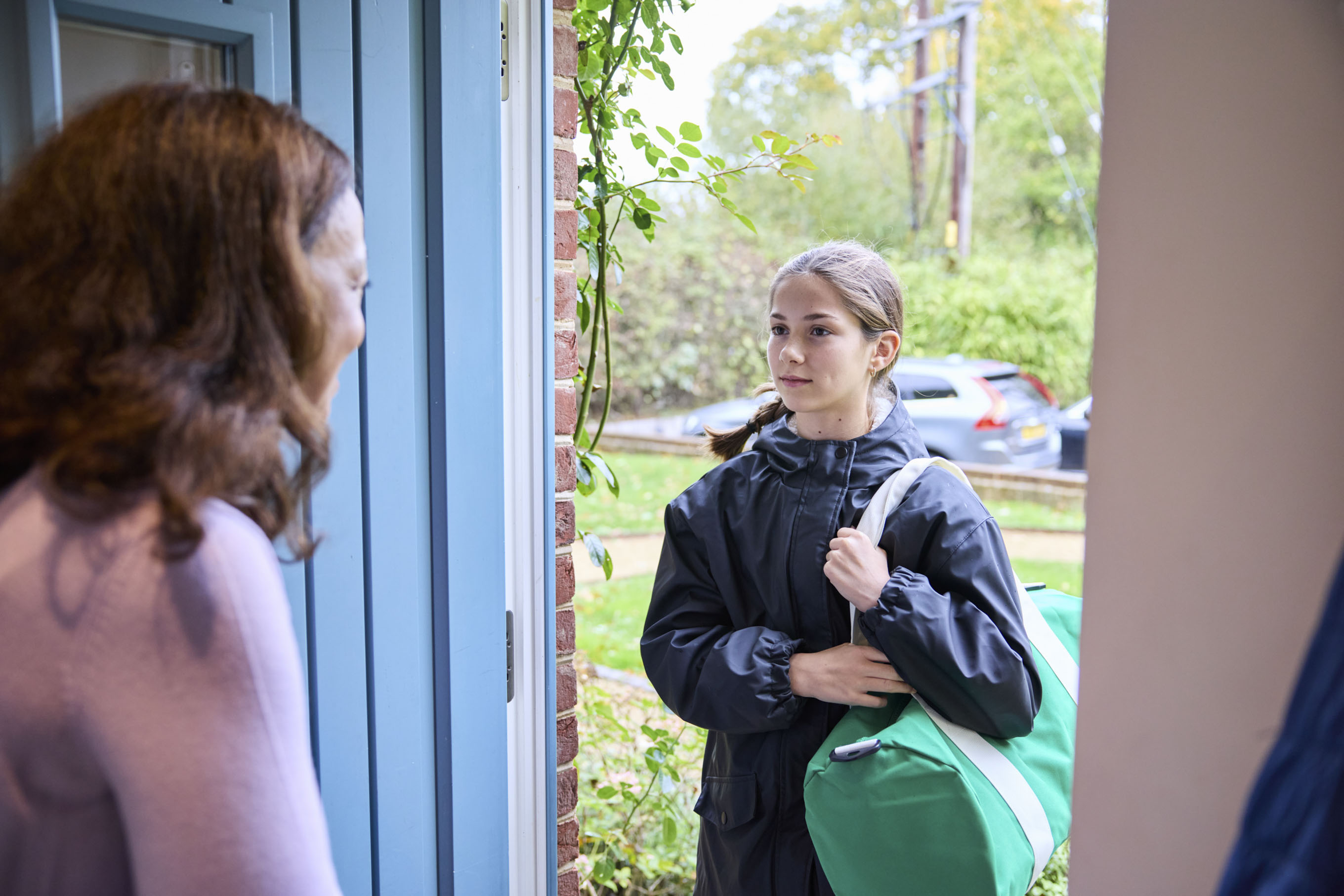
The need for fostering teenagers: 27% aged 16 and older

Teenagers in care need stability, understanding and support. Find out why more foster carers are needed for older children and the difference you could make.

The need for fostering teenagers: 27% aged 16 and older

Recent statistics reveal a harsh reality: there are approximately 83,630 children in care across England and 107,000 across the UK. Of these, 65% are aged 10 and above, with 27% aged 16 and older, totalling around 21,000 teenagers. This highlights the urgent need for foster carers, especially for older children and teens.

The shortage of foster carers in England is a national crisis, and we’re raising awareness about the challenges children in care face, particularly the older age groups. Around 8,700 children currently reside in residential homes, either due to their behaviour, the lack of available foster homes, or the need for "step-down" placements.

Our Nexus 360 supported package focuses on step-down arrangements, designed to ensure a smooth transition for children moving from residential care to foster care. These are carefully planned, allowing time to meet the child or young person before they move in with their foster family. Local authorities aim to keep children near their families and schools, but often, national locations are also considered for the best interests of the child.

Older children and teenagers in foster care are a vulnerable group

Children who are older when they enter foster care face increased instability. Nearly 1 in 5 children aged 12+ experience at least two moves within a year, compounding the challenges they already face. Teenagers, in particular, are vulnerable during adolescence, a period of significant change. They need stability, direction, and care that foster carers can provide.

Why fostering teenagers is so rewarding

Fostering teenagers can be a profoundly impactful experience. Here are several benefits of fostering teens:

Independence: Most teenagers are in full-time education or take part in extracurricular activities, making them more independent than younger children in care.

Less Demanding: Teenagers are often less physically demanding and more self-reliant, allowing foster carers to focus on providing emotional support and guidance.

Effective Communication: Teens are more capable of open communication, leading to stronger, more meaningful relationships. Foster carers can connect with teenagers on a deeper level, offering valuable mentorship during this critical stage of development.

Stability and Routine: Adolescence can be a turbulent time, but teenagers often thrive on stability. Foster carers who provide consistent routines can make a significant impact in helping teens navigate their challenges.

Forming Lifelong Bonds: Teenage years are arguably the most critical part of a person’s life, shaping them into the person they will become. Foster carers are crucial to providing loving care and support during a time when it may be needed the most, becoming a role model to the teenagers in their care.


Related guides

Practical advice from our fostering experts to help you at every stage.

View all about Related guides
  • Long Term Fostering Two Block

    Research & insights

    What happens when a young person in foster care turns 18?

    Find out what happens when a young person in foster care turns 18, including Staying Put arrangements, independent living and the support available.

    Key learnings

    • What happens when a young person in foster care turns 18.

    • How Staying Put arrangements allow young people to remain with their foster families.

    • The differences between supported living and independent accommodation.

    • What financial support may be available to foster carers after a young person turns 18.

    • How foster carers can help young people prepare for independent living.

  • Why More Young People Are Entering Residential Care

    Research & insights

    Why more children are entering residential care and why foster carers are needed now more than ever

    Find out why more children are entering residential care, what's driving the shortage of foster carers and how fostering could make a difference.

    Key learnings

    • Why more children and young people are entering residential care.

    • What residential care involves and how it differs from fostering.

    • Why teenagers, siblings and children with additional needs are particularly affected by the shortage of foster carers.

    • How growing up in a foster family can support a child's wellbeing, education and future.

    • Why more foster carers are urgently needed and the difference they could make.

Fostering eligibility quiz

Our carers come from all walks of life, including people who are single, married, homeowners, renting, working, retired and LGBTQ+. Find out if you could join them.

The following questions will help you understand if becoming a foster carer could be right for you

  • There are up to 19 questions
  • You’ll get useful information about fostering and advice on what to do next
  • You don’t have to give us your contact details unless you want to keep in touch or speak to someone
  • This quiz isn’t the start of your fostering application. It’s designed to give you plenty of information so you can decide your next step

Current foster carer? You don’t need to complete the eligibility quiz. Transfer to us

Want to finish later? We can email you a link

We will send you an email link to finish the quiz later, just click on the link in the email and it will take you back to where you left off!

We keep your answers for 30 days so you can carry on, then delete them. We only use your email address to send you this link.

Fostering Allowance Calculator

Our fostering allowance calculator can help give you an idea of what your fostering income could be over the year.

Are you new to fostering or an existing/transfer carer

Your estimated fostering allowance:

£0 per year

This is an indicative estimate. Actual allowances can vary depending on the placement and individual circumstances.

Get in touch