Links to homepage

Research & insights

What happens when a child goes missing from care?

Find out what happens when a child goes missing from care, how foster carers and professionals respond, and why support and understanding are so important.

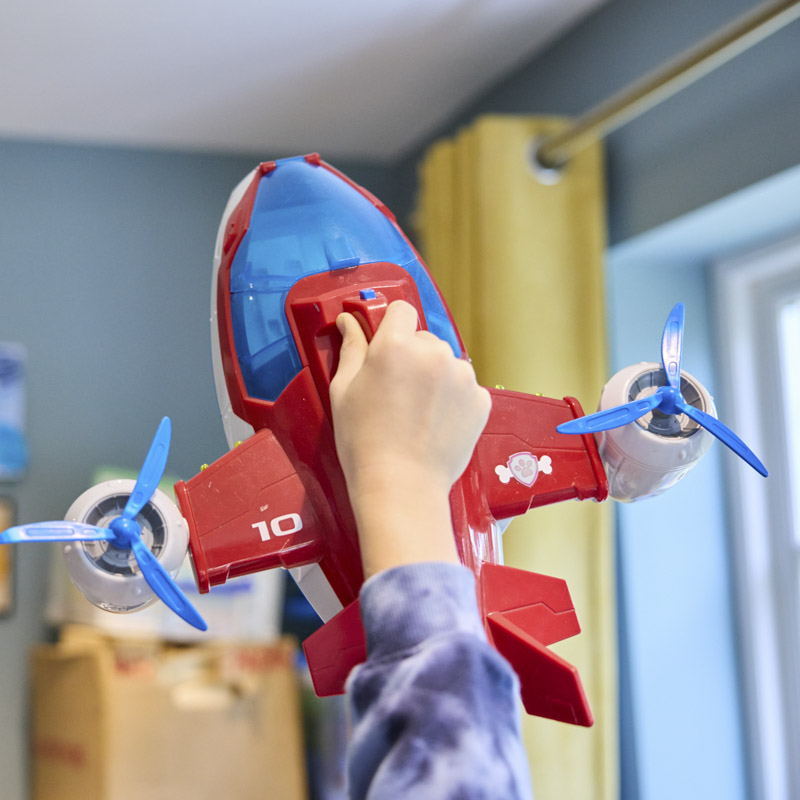
child-playing-with-toy-aeroplane-at-home.jpg

What happens when a child goes missing from care?

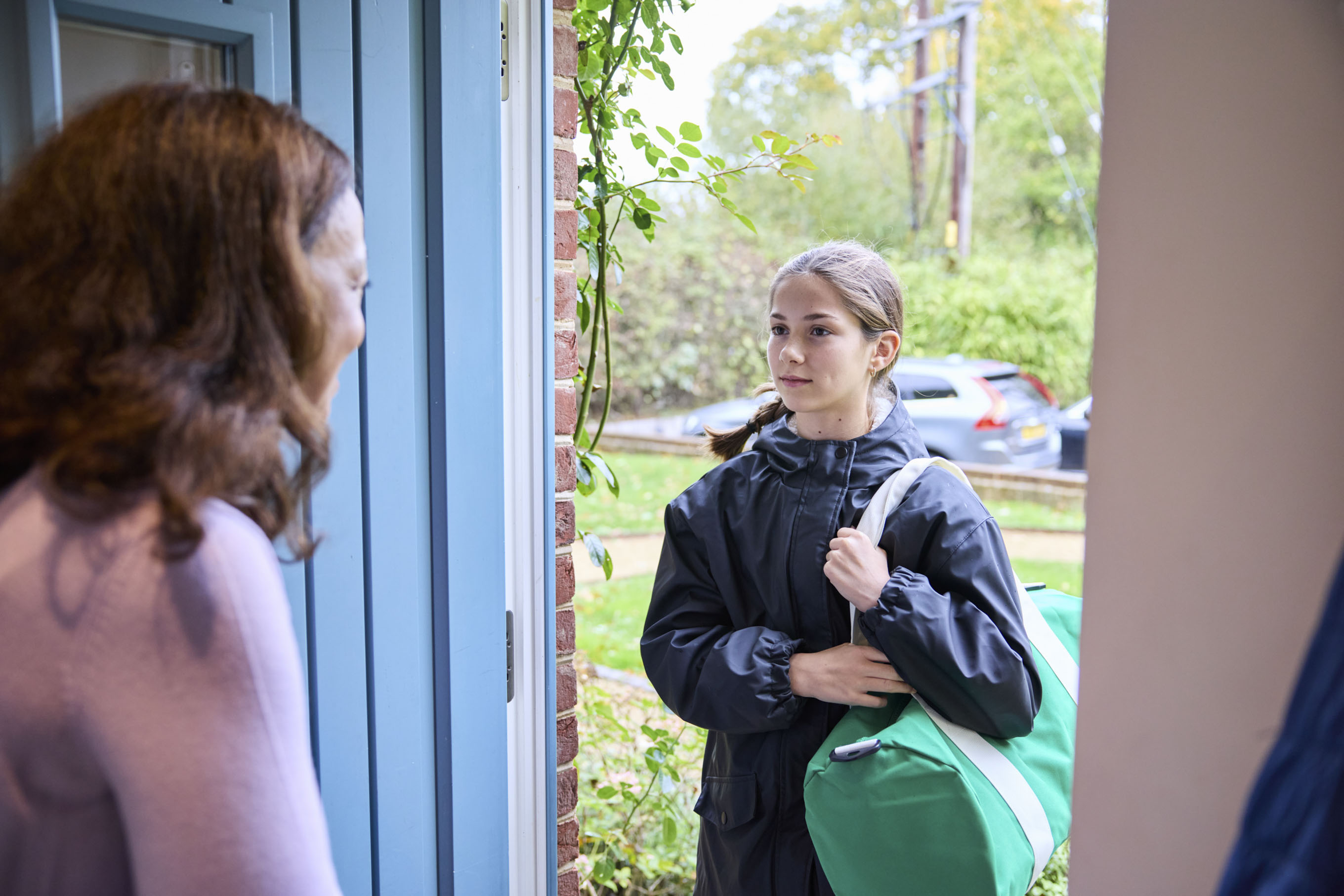
Children may go missing from foster care for various reasons, including a desire to reunite with family or friends. Feelings of instability or unhappiness within their current situation or a lack of trust in the system might cause a child or young person to run away.

Some children may also run away due to trauma, fear, or their emotional needs. Foster carers, social workers, and authorities need to work together to address these concerns and ensure the child's safety and well-being. Foster carer Sam has fostered three teenagers over the years and shares 'the teenagers we have fostered were all settled here, and their missing episodes didn't coincide with any arguments or disagreements we had. Instead, they were seeking friendships and excitement.'

There are lots of reasons children go missing from foster care. Most of the time, children and young people will be with their friends or birth family.

What can happen when a child goes missing

  • Try contacting the child at first and do what you can to get the child to come home.  

  • Contact your Supervising Social Worker to inform them – this can be done day or night as someone will always be at the end of the phone for support during missing episodes.

  • The police would be contacted if the child doesn't come home.

There is a procedure to be followed when a child goes missing in foster care. This can be a lengthy process, and eventually, there will be at least one visit from the police, sometimes several, depending upon the length of time the child is missing - Foster Carer Sam.

When a child returns home, you must notify your Supervising Social Worker, police and anyone else who has been involved in the missing episode, such as the child's Social Worker.

As foster carers, we are always there to support the child when they return home. Various strategies are implemented after the child returns, including a police visit. This visit is to find out if the child is okay and whether there is any support they would like - Foster Carer Sam

Often young people return and need a listening ear along with a shower, food and sleep.

In situations involving missing episodes, acting with empathy and being an active listener are key. For most vulnerable children, confrontation will cause fight-or-flight reactions. It may mean the child feels attacked, causing them to run away again - Supervising Social Worker

As a foster carer, you can have time to express your feelings about the missing episodes that have taken place. Making sure you feel supported, listened to and heard.

Nexus Fostering is there to support you, and there is always someone to talk to by phone to offer advice. There will always be a visit from Nexus afterwards and from the child's social worker. 

Related guides

Practical advice from our fostering experts to help you at every stage.

View all about Related guides
  • Long Term Fostering Two Block

    Research & insights

    What happens when a young person in foster care turns 18?

    Find out what happens when a young person in foster care turns 18, including Staying Put arrangements, independent living and the support available.

    Key learnings

    • What happens when a young person in foster care turns 18.

    • How Staying Put arrangements allow young people to remain with their foster families.

    • The differences between supported living and independent accommodation.

    • What financial support may be available to foster carers after a young person turns 18.

    • How foster carers can help young people prepare for independent living.

  • Why More Young People Are Entering Residential Care

    Research & insights

    Why more children are entering residential care and why foster carers are needed now more than ever

    Find out why more children are entering residential care, what's driving the shortage of foster carers and how fostering could make a difference.

    Key learnings

    • Why more children and young people are entering residential care.

    • What residential care involves and how it differs from fostering.

    • Why teenagers, siblings and children with additional needs are particularly affected by the shortage of foster carers.

    • How growing up in a foster family can support a child's wellbeing, education and future.

    • Why more foster carers are urgently needed and the difference they could make.

Fostering eligibility quiz

Our carers come from all walks of life, including people who are single, married, homeowners, renting, working, retired and LGBTQ+. Find out if you could join them.

The following questions will help you understand if becoming a foster carer could be right for you

  • There are up to 19 questions
  • You’ll get useful information about fostering and advice on what to do next
  • You don’t have to give us your contact details unless you want to keep in touch or speak to someone
  • This quiz isn’t the start of your fostering application. It’s designed to give you plenty of information so you can decide your next step

Current foster carer? You don’t need to complete the eligibility quiz. Transfer to us

Want to finish later? We can email you a link

We will send you an email link to finish the quiz later, just click on the link in the email and it will take you back to where you left off!

We keep your answers for 30 days so you can carry on, then delete them. We only use your email address to send you this link.

Fostering Allowance Calculator

Our fostering allowance calculator can help give you an idea of what your fostering income could be over the year.

Are you new to fostering or an existing/transfer carer

Your estimated fostering allowance:

£0 per year

This is an indicative estimate. Actual allowances can vary depending on the placement and individual circumstances.

Get in touch